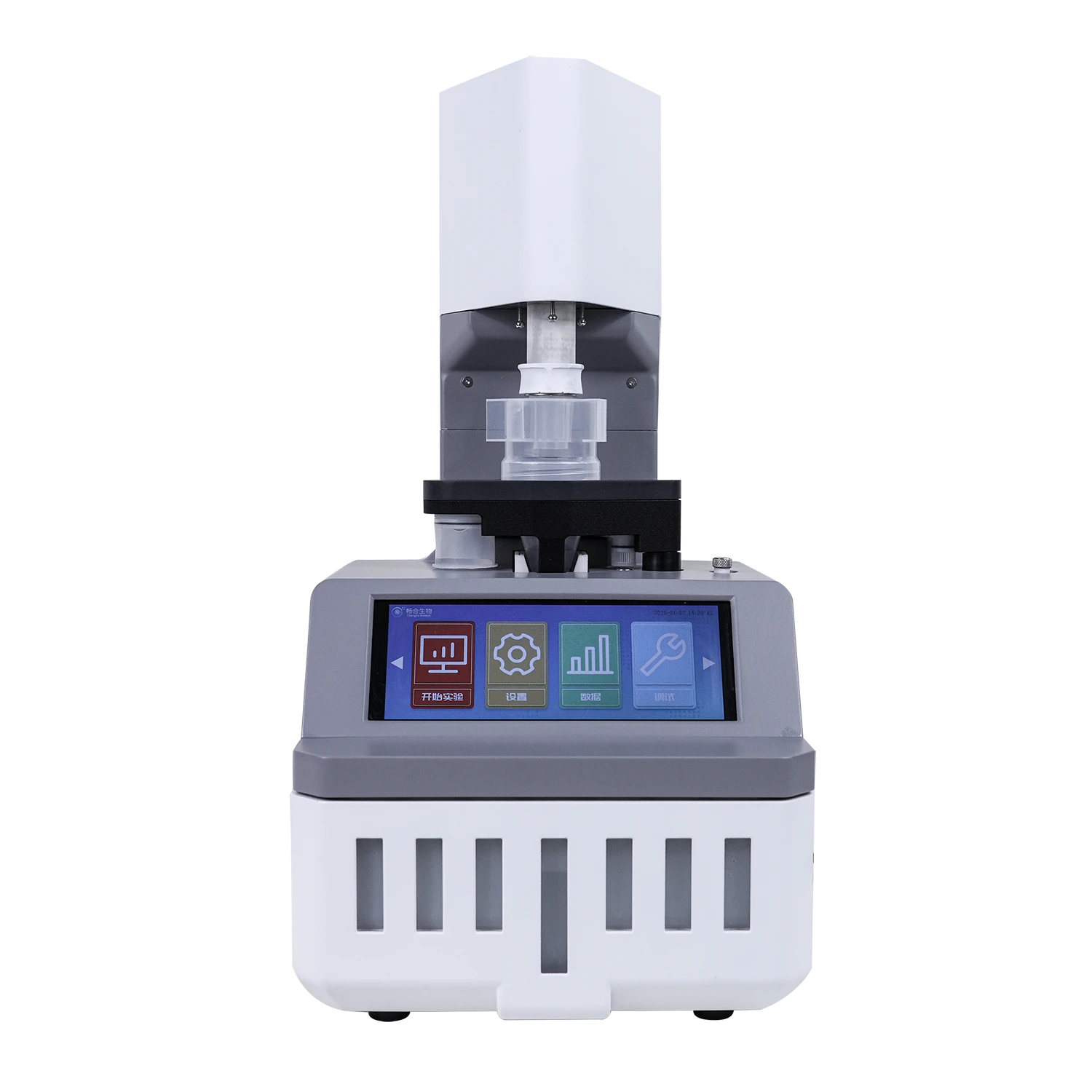

PCR Machine Use: Global Applications and Future Trends in Molecular Diagnostics
Understanding PCR Machine Use: The Backbone of Modern Diagnostics
The widespread use of PCR machines—the workhorses of molecular biology—has revolutionized industries from healthcare to environmental science. But why does understanding pcr machine use really matter, especially nowadays? Well, on a global scale, PCR devices enable rapid detection of pathogens, aid in disease surveillance, and support groundbreaking research, essentially making them indispensable. Grasping how these machines integrate into various fields not only underscores their significance but also reveals potential in innovation and societal impact.
Mini takeaway: Yet, beyond just amplification, PCR machine use symbolizes our leap toward faster, more accurate scientific solutions worldwide.
The Global Context: Why PCR Machines Are More Relevant Than Ever
Imagine the scope: during the COVID-19 pandemic, PCR testing became the gold standard for diagnosing active infections. According to the World Health Organization, over 1 billion PCR tests were performed worldwide within the first two years of the pandemic alone. This off-the-charts demand showcases the critical role PCR machines play globally. But it’s not just infectious diseases—PCR technology accelerates food safety testing, forensic analysis, and biodiversity studies.
However, it’s not all smooth sailing. The challenge: ensuring equitable access to reliable PCR testing especially in low-resource settings where infrastructure can be minimal. This gap often stalls early diagnosis and effective outbreaks tracking. Advanced PCR machines help bridge this gap by offering faster results with greater ease of use.
What Exactly Does PCR Machine Use Mean?
At its core, pcr machine use refers to employing Polymerase Chain Reaction machines to exponentially amplify specific DNA or RNA segments. Think of the PCR machine as a molecular photocopier that duplicates genetic material thousands to millions of times. This capability unlocks numerous applications, from identifying viruses to genetic fingerprinting in crime labs.
Today’s industries depend heavily on PCR machines because they transform complex, time-consuming laboratory tests into quicker, more scalable processes. Humanitarian organizations rely on them to detect pathogens rapidly during outbreaks, often deploying portable PCR machines in remote or disaster-stricken areas.
Core Components that Make PCR Machines Tick
1. Thermal Cycling Precision
The heart of PCR machines is their ability to rapidly cycle through temperature changes with extreme accuracy. This precision determines successful DNA denaturation, annealing, and extension phases. A small variation can spell failure in amplification, so durability in thermal blocks is critical.
2. Throughput Capacity
Some PCR machines handle a mere dozen samples; others can process thousands simultaneously. Industries demanding mass testing, like public health or agriculture, often opt for high-throughput systems to boost efficiency and reduce wait times.
3. User Interface and Automation
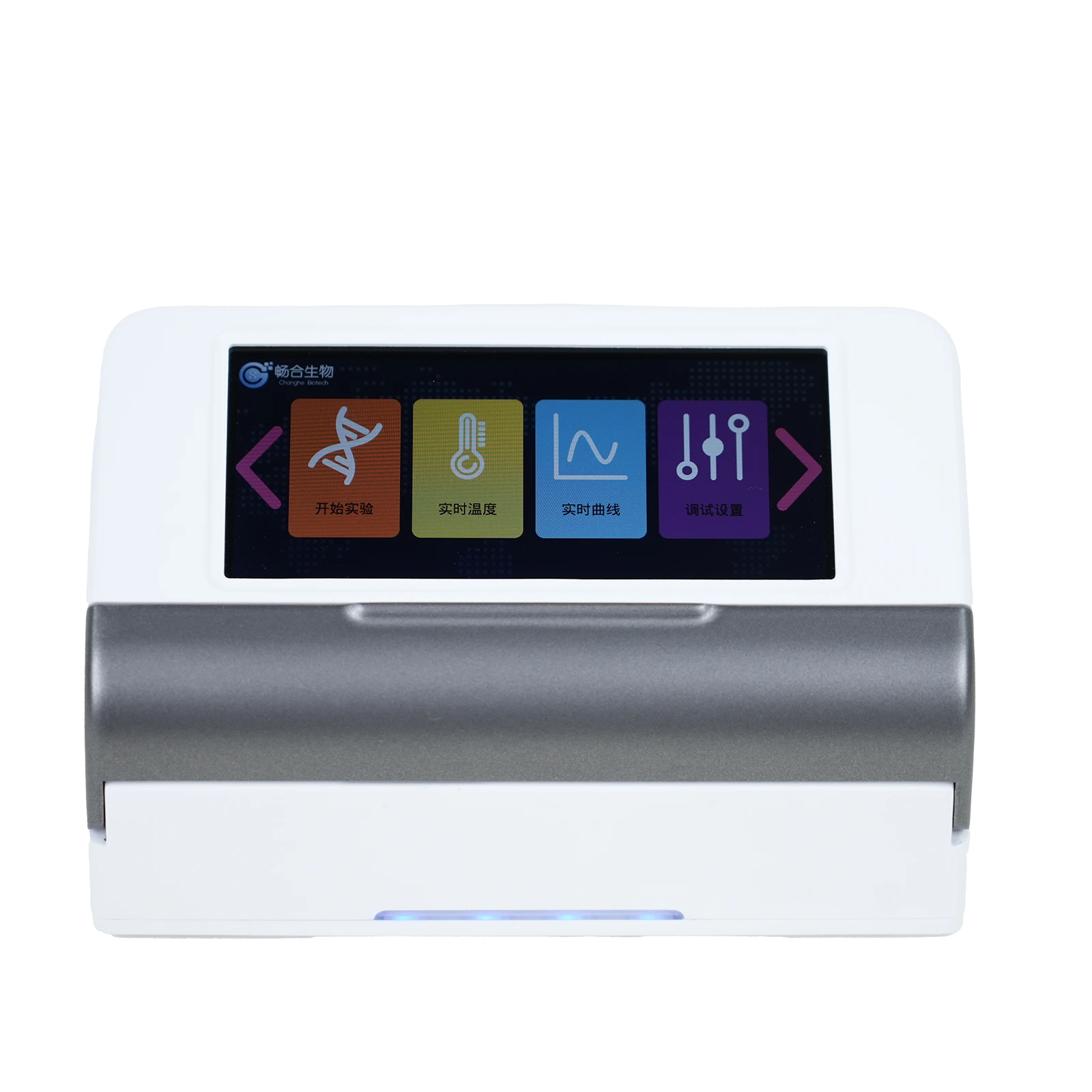
Modern PCR devices feature intuitive touchscreen displays and program templates, minimizing operator errors. Full automation—from sample loading to data output—further accelerates workflows and ensures reproducibility.
4. Portability and Power Consumption
Field applications benefit from lightweight, battery-powered PCR devices. Longevity per charge and robust design against harsh environments are decisive factors for NGOs or mobile labs.
5. Cost Efficiency
The initial price tag is only part of the story. Maintenance, reagent compatibility, and consumable costs play into long-term value. Manufacturers frequently balance cutting-edge tech and operational expenses to appeal to diverse budgets.
Mini takeaway: When choosing a PCR machine, think beyond specs—consider how these core components shape actual usability and fit into your specific context.
Where PCR Machines Are Making Real-World Impact Today
Some examples really highlight the widespread influence of pcr machine use:
- Healthcare: From urban hospitals in the US to remote clinics in sub-Saharan Africa, PCR machines are pivotal in detecting diseases like tuberculosis, HIV, and now SARS-CoV-2.
- Food Safety: European food regulatory bodies deploy PCR tests to identify contamination and safeguard consumer health.
- Environmental Monitoring: Researchers in the Amazon rainforest use portable PCR units to identify endangered species through DNA traces in water samples.
- Disaster Response: After natural disasters, rapid screening for waterborne pathogens using portable PCR machines helps prevent secondary outbreaks.
Oddly enough, it feels like PCR tech is becoming a Swiss army knife for molecular diagnostics worldwide, adaptable across so many sectors.
Advantages and Long-Term Value of PCR Machine Use
Among the obvious benefits:
- Rapid and Accurate Results: Critical for timely medical decisions and outbreak control.
- Cost-Effectiveness Over Time: While initial costs may be high, the speed and accuracy reduce downstream expenses.
- Sustainability: Efforts to integrate lower-power, reusable reagent cartridges are underway, reducing environmental footprints.
- Social Impact: Early disease detection preserves community health and dignity.
- Reliability: Precision engineering means dependable operation around the clock.
Beyond cold numbers, it’s reassuring to know that PCR machines empower frontline workers with tools that ultimately save lives and foster trust in diagnostics.
Key Product Specifications at a Glance
| Feature | Value | Notes |
|---|---|---|
| Thermal Cycling Range | 4°C to 99°C | Suitable for a variety of protocols |
| Sample Capacity | 96-well plate | High throughput option |
| Detection Method | Fluorescence-based real-time | Enables quantitative results |
| Power Supply | AC 100–240V, 50/60Hz & optional battery | Supports field operations |
| Dimensions | 35 x 30 x 20 cm | Compact lab-friendly |
Comparing Top PCR Machine Vendors
| Vendor | Max Sample Capacity | Automation Level | Approx. Price (USD) | Ideal Use Case |
|---|---|---|---|---|
| BioFast Inc. | 384 samples | Full automation | $120,000 | High volume labs |
| GeneTech Solutions | 96 samples | Semi-automated | $45,000 | Mid-sized clinical labs |
| FieldPCR Corp. | 16 samples | Manual operation | $15,000 | Portable & field use |
The Horizon: Future Trends in PCR Machine Use
The race toward even smarter PCR tech is underway. Researchers are embedding AI-powered algorithms to optimize reaction conditions in real time, trimming down testing times significantly. Green PCR machines—designed to consume less energy and reduce plastic waste—are also gaining momentum. In parallel, cloud-connected devices promise seamless data sharing and remote diagnostics, which improve response times in public health crises.
Conceptually, I find the convergence of PCR machines with IoT and sustainability goals remarkably forward-thinking—opening doors to diagnostics that are not only smarter but kinder to the planet.
Facing Challenges Head-On: Overcoming Barriers in PCR Machine Use
Common stumbling blocks include prohibitive costs, supply chain bottlenecks for reagents, and technical expertise requirements. But the scene is changing. Modular PCR devices, paired with online training & AI support, are democratizing usage. Plus, partnerships between governments and manufacturers have eased distribution to under-served areas—sort of leveling the playing field globally.
FAQs About PCR Machine Use
Q1: How long does a typical PCR test run take?
A1: Standard PCR cycles run between 1 to 3 hours depending on the protocol and machine capacity. Fast PCR machines can reduce this to under 30 minutes using optimized reagents and rapid thermal cycling.
Q2: Can portable PCR machines deliver lab-grade accuracy?
A2: Many modern portable PCR devices match laboratory standards for sensitivity and specificity, especially for infectious disease detection. Validation studies back up their reliability in field conditions.
Q3: What maintenance do PCR machines require?
A3: Regular calibration, cleaning of optical components, and proper storage of reagents keep PCR machines performing optimally. Most manufacturers provide clear maintenance schedules and user manuals.
Q4: Are PCR machines compatible with emerging testing methods?
A4: Many PCR devices now integrate with digital assays and multiplex testing, allowing simultaneous detection of multiple targets, enhancing throughput and diagnostic breadth.
Mini takeaway: In the end, informed users and choice of equipment ensure maximum benefit from these powerful diagnostic tools.
Wrapping Up: Why PCR Machine Use Will Stay Essential
From accelerating pandemic responses to unlocking biological mysteries, pcr machine use is not just a technical phrase but a promise of progress. Its long-term value spans cost savings, enhanced sustainability, and elevated human health standards. Whether you’re a lab director, researcher, or humanitarian fieldworker, understanding PCR machine use unlocks a toolbox of potential.
Why not explore more? Visit our website: pcr machine use and discover how these machines can transform your diagnostic capabilities.
References
-
Uniplex PCR Equipment for Industrial Biosafety & MonitoringNewsDec.08,2025
-
TB PCR Kit: A Veteran’s Take on Leading Diagnostic ToolsNewsDec.08,2025
-
Stem Loop Rt Pcr – Advanced Molecular Detection Solutions for Industry | Bio Aerosol SamplerNewsDec.08,2025
-
Reliable RT PCR RNA Virus Testing & Bioaerosol Sampling EquipmentNewsDec.07,2025
-
Rt Pcr Monkeypox: Advanced Viral Detection Solutions for B2B IndustriesNewsDec.07,2025
-
RT PCR Kit for Monkeypox Detection – Reliable Diagnostics ToolNewsDec.07,2025