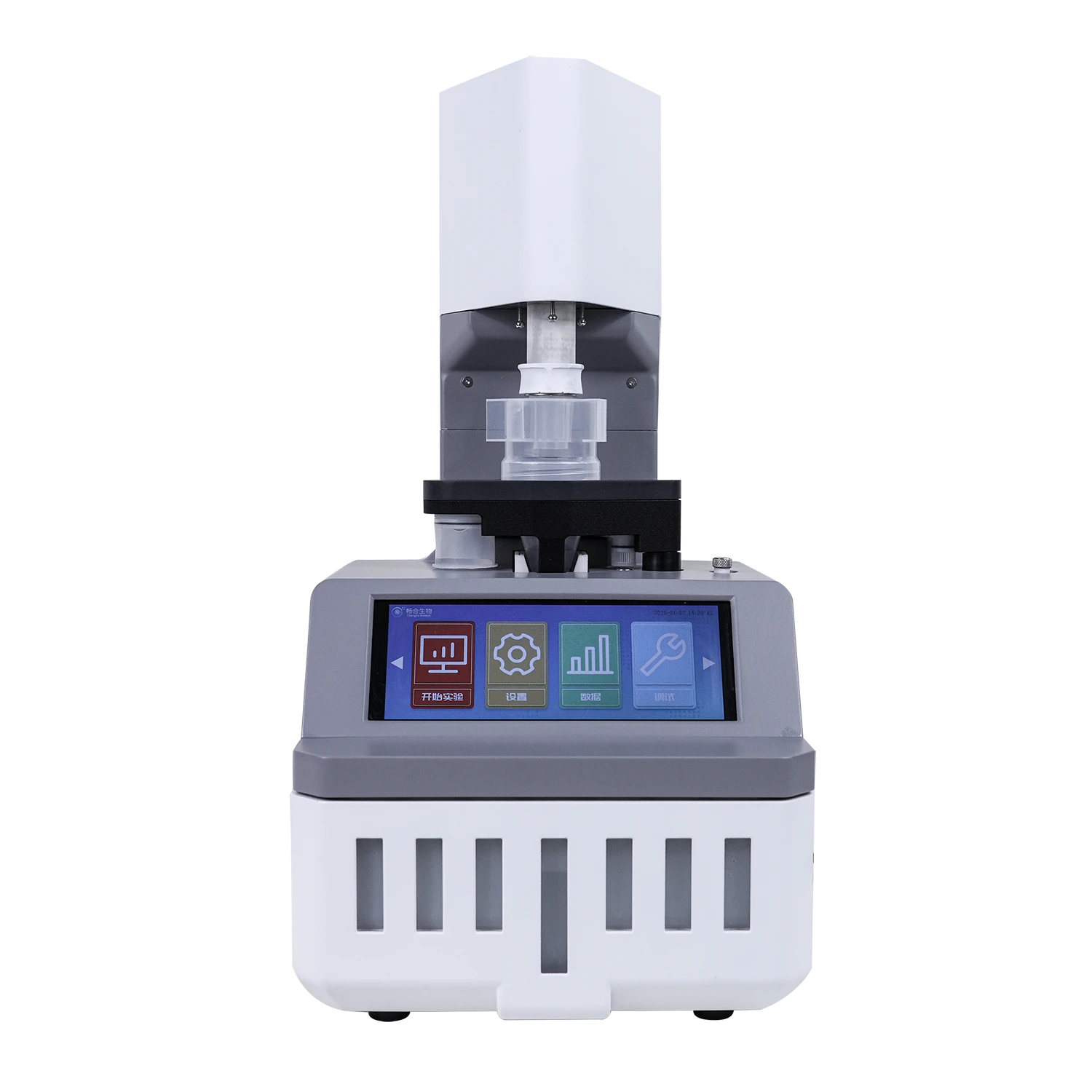

PCR Real Time Machine – Cutting-Edge Diagnostic Tools for Rapid Genetic Testing
Understanding the PCR Real Time Machine: A Brief Overview
At its core, the PCR real time machine is a marvel of modern biotechnology—an instrument that has redefined how we detect and quantify DNA sequences rapidly and with remarkable precision. Why does this matter? Well, the ability to monitor genetic material in real time has impacts stretching from disease diagnostics to environmental monitoring, and even forensic science. Globally, it’s become a cornerstone in efforts to contain outbreaks, monitor biodiversity, and push personalized medicine forward. Getting a handle on how these machines work—and why they’re so crucial—gives us insight into a tool that quietly shapes much of the healthcare and research world today.
Mini takeaway: The PCR real time machine is more than lab equipment; it’s a global enabler for faster, smarter biological insights.
PCR Real Time Machine in the Global Context: Why It Matters
In an age defined by rapid globalization and the need for quick responses to emerging threats, the PCR real time machine plays a vital role. According to the World Health Organization, accurate and timely diagnostics are essential for managing infectious diseases — a reality underscored by the COVID-19 pandemic where these machines formed the backbone of testing strategies worldwide.
UN data (2022) reports show that diagnostic delays directly correlate with disease spread and treatment inefficiencies. The WHO Diagnostic Testing fact sheet reinforces that real-time PCR is among the most reliable methods for pathogen detection.
Yet, a major challenge remains: bringing the technology to resource-limited settings where it could save the most lives. This pushes manufacturers and governments alike to improve portability, affordability, and ease of use — all key hurdles the PCR real time machine continues to tackle.
Mini takeaway: Although globally pivotal, ensuring access to PCR real time machines in underserved regions is a pressing challenge that drives technological innovation.
What Is a PCR Real Time Machine?
In simple terms, a PCR real time machine is a device that amplifies traces of DNA or RNA from a sample and tracks this amplification as it happens — in real time — through fluorescence signals. Unlike traditional PCR methods, which rely on post-process analysis, these machines allow users to observe the genetic material’s growth dynamically during the cycle process.
This capability links directly to modern medical diagnostics—detecting viruses like SARS-CoV-2 or determining genetic mutations quickly—which in turn informs treatment decisions and public health interventions almost instantly.
Core Components and Key Features
1. Thermal Cycler Module
The heart of the machine, this component performs precise heating and cooling cycles required to separate DNA strands, allow primers to bind, and extend the DNA segment. Temperature accuracy here directly influences test reliability.
2. Optical Detection System
Through LED excitation and specialized filters, the optical system measures fluorescent signals generated by DNA-binding dyes or probes each cycle. High sensitivity ensures that even tiny amounts of target sequences don’t go unnoticed.
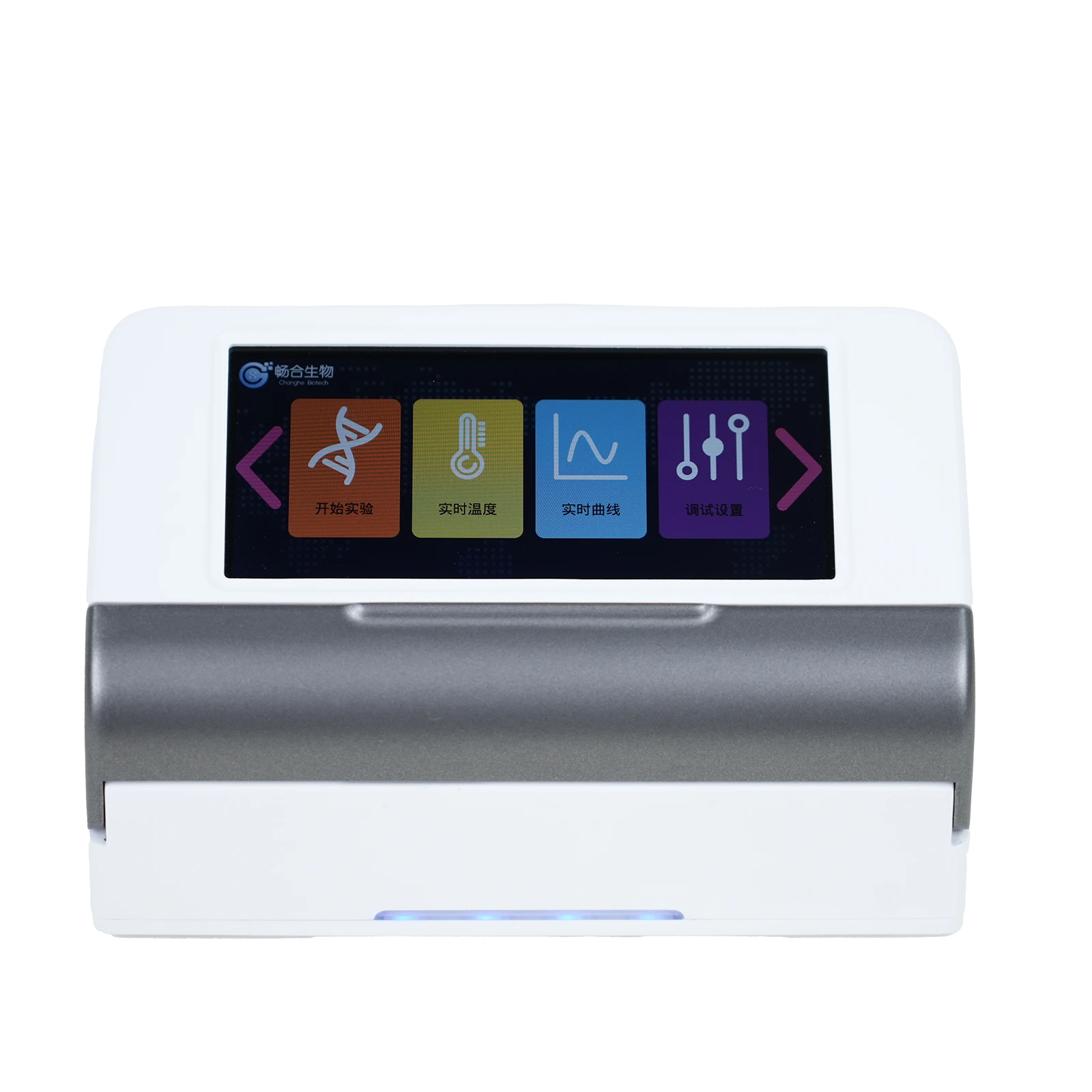
3. User Interface and Software
Modern real time PCR machines come with software that simplifies experimental setup and data analysis. Many now support remote operation, cloud connectivity, and automated reporting — practically a digital lab assistant.
4. Sample Capacity
Depending on design, devices range from compact units handling a handful of samples to larger systems capable of processing hundreds per run, supporting scalability for labs of different sizes.
5. Portability and Durability
Newer models increasingly focus on being lightweight and rugged, which is crucial for field applications in remote or challenging environments.
Mini takeaway: Each component—from thermal control to software—is a puzzle piece enabling PCR real time machines to be versatile and dependable tools.
Practical, Global Applications of PCR Real Time Machines
From bustling urban hospitals in Europe to remote clinics in Africa, PCR real time machines have myriad use cases. Here are a few:
- In infectious disease control: Quickly identifying pathogens during outbreaks, such as Ebola or Zika virus.
- Environmental monitoring: Detecting microbial contamination in water supplies or agriculture.
- Forensic science: Genetic fingerprinting that helps solve crimes.
- Pharmaceutical R&D: Monitoring gene expression in drug testing.
In post-disaster relief scenarios—think earthquake zones or flood-affected regions—portable real time PCR devices allow medical teams to conduct onsite testing without relying on distant labs. Industrial zones fraught with chemical exposures use these machines for environmental safety assessments.
Mini takeaway: The PCR real time machine's versatility means it spans sectors and geographies, making lives safer in multiple, often unseen ways.
Advantages and Enduring Value of PCR Real Time Machines
In addition to raw speed and accuracy, these machines offer:
- Cost-efficiency: While upfront costs can be significant, faster processing reduces labor and resource waste over time.
- Sustainability: Latest models consume less power and use eco-friendly reagents, aligning with green lab movements.
- Reliability and trust: Consistent results foster confidence between clinicians and patients—a priceless social benefit.
- Emotional safety: Fast test results reduce anxiety, enabling timely care and dignity preservation.
Frankly, it feels like these machines bring a layer of trust and hope that’s hard to quantify but deeply felt in communities worldwide.
Looking Ahead: Innovations and Future Trends
With digital transformation sweeping laboratories, PCR real time machines are embracing automation, AI-driven diagnostics, and cloud connectivity. For example, some emerging models perform self-calibration and real-time quality checks, reducing ramp-up time for operators.
Green energy integration is also on the docket. Battery-powered, solar-chargeable PCR units are being prototyped, perfect for field conditions with unstable power grids. Additionally, innovations in microfluidics hint at even smaller, faster devices able to run multiple tests simultaneously.
Challenges in Current Practice and Possible Solutions
Despite these advances, hurdles persist:
- Cost barriers: High initial investments restrict access for many labs, especially in low-income regions.
- Technical complexity: Training needs and maintenance can overwhelm smaller facilities.
- Supply chain issues: Delays in reagents and parts hamper consistent use.
Several efforts aim to tackle these, including open-source protocols, rental or lease programs for equipment, and modular designs that simplify repairs. Partnerships among NGOs, governments, and manufacturers are critical here.
FAQ: Practical Questions About PCR Real Time Machines
- How quickly can a PCR real time machine deliver results compared to traditional PCR?
- Real-time PCR machines can provide results within 45–90 minutes, sometimes faster depending on the protocol. Traditional PCR typically requires an extra post-amplification step, which adds hours. This speed is crucial in clinical diagnostics where time is of the essence.
- Are real time PCR machines suitable for use in remote or resource-poor settings?
- Yes, modern portable models are designed for rugged environments with user-friendly interfaces. However, consistent power supply and trained staff remain considerations. Advances in battery-operated and solar-powered devices are improving accessibility.
- What maintenance do these machines require?
- Routine calibration and cleaning are necessary to maintain accuracy. Some manufacturers offer remote diagnostics and software updates to ease maintenance burdens, though physical inspections remain important.
- Can the PCR real time machine detect different types of pathogens?
- Absolutely. By changing primers and probes, it can target viruses, bacteria, fungi, and even genetic mutations, making it highly versatile for various diagnostic needs.
- How does data from PCR real time machines integrate with hospital or research databases?
- Most machines now support digital data export in standard formats, allowing seamless integration with electronic health records (EHR) or laboratory information management systems (LIMS).
Product Specification Table: Sample PCR Real Time Machine
| Specification | Details |
|---|---|
| Sample Capacity | 96-well plate |
| Thermal Cycling Range | 4°C to 99°C |
| Detection Channels | 4-channel multiplexing |
| Software Features | Real-time analysis, cloud sync, automated reports |
| Footprint | Compact desktop, 40cm x 35cm x 30cm |
| Power Supply | AC 100–240V or optional battery pack |
Vendor Comparison Table for PCR Real Time Machines
| Vendor | Model | Sample Capacity | Portability | Price Range | Special Features |
|---|---|---|---|---|---|
| Biotech Solutions | FastGeneX | 48 samples | Portable | $15,000 - $18,000 | Battery operation, touch screen |
| Genetech Instruments | Quantiva Pro | 96 samples | Benchtop | $25,000 - $30,000 | Automated reporting, cloud enabled |
| MedLab Dynamics | RT-PCR Mini | 16 samples | Handheld | $10,000 - $12,000 | Ultra-compact, solar compatible |
Final Thoughts and Next Steps
In the grand scheme, PCR real time machines are silent champions of modern science and health. They shorten the window between suspicion and knowledge, empower data-driven decisions, and stretch the possibility of rapid response to global health challenges. As innovations continue—some hinting at even more accessible and sustainable models—the role of the PCR real time machine will only deepen.
If you’re intrigued and want to explore more or source cutting-edge equipment, don't hesitate to visit our detailed product collection at pcr real time machine. Seriously, the future’s knocking, and your lab could be ready.
Mini takeaway: Investing in PCR real time technology is investing in speed, accuracy, and a healthier tomorrow.
References
-
Uniplex PCR Equipment for Industrial Biosafety & MonitoringNewsDec.08,2025
-
TB PCR Kit: A Veteran’s Take on Leading Diagnostic ToolsNewsDec.08,2025
-
Stem Loop Rt Pcr – Advanced Molecular Detection Solutions for Industry | Bio Aerosol SamplerNewsDec.08,2025
-
Reliable RT PCR RNA Virus Testing & Bioaerosol Sampling EquipmentNewsDec.07,2025
-
Rt Pcr Monkeypox: Advanced Viral Detection Solutions for B2B IndustriesNewsDec.07,2025
-
RT PCR Kit for Monkeypox Detection – Reliable Diagnostics ToolNewsDec.07,2025