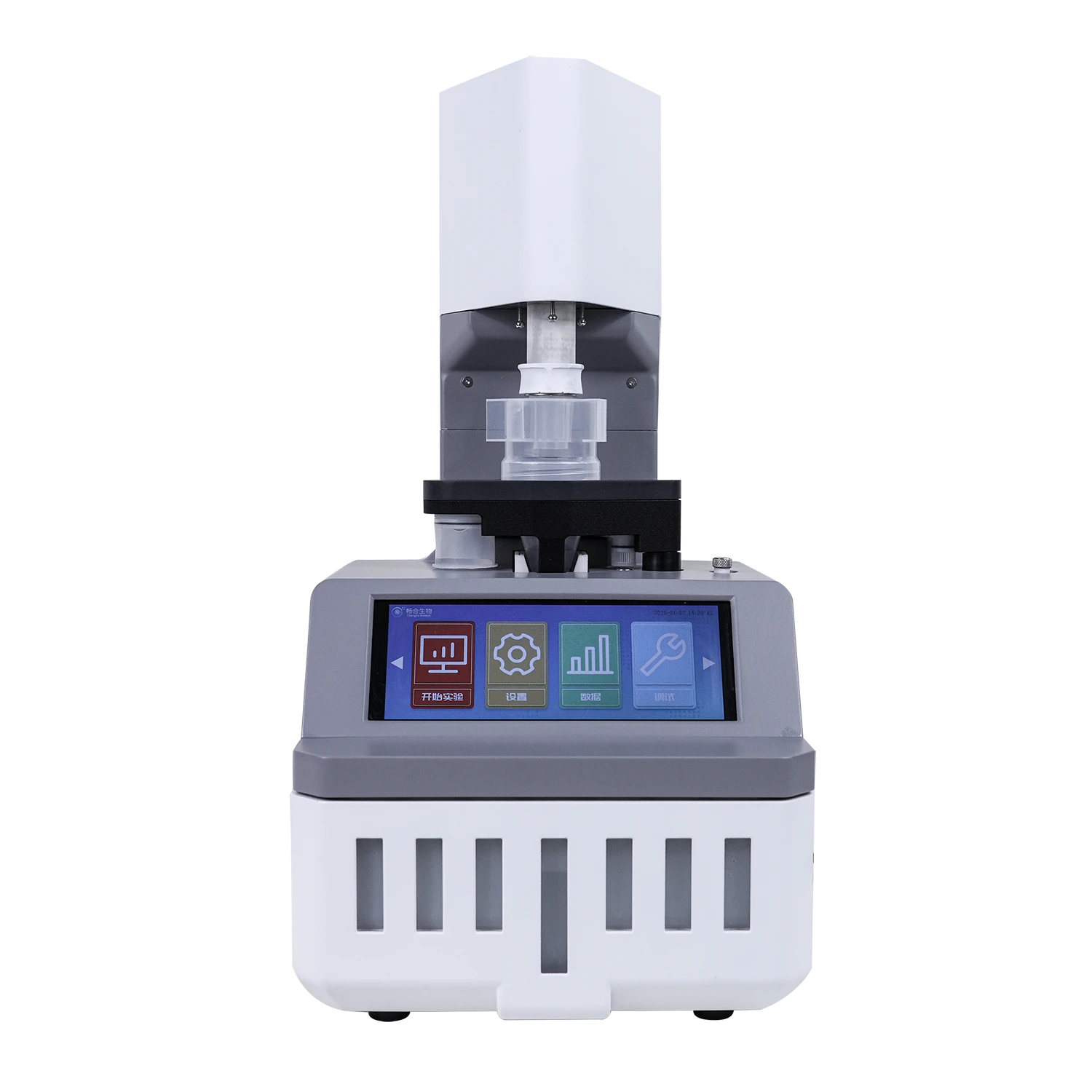

Polymerase Chain Reaction Machine: Advanced Molecular Diagnostics for Global Health
Understanding the Polymerase Chain Reaction Machine: A Global Game-Changer in Molecular Diagnostics
So, here we are with the polymerase chain reaction machine — sounds technical, right? Yet, it's arguably one of the quiet revolutions in biotech that impacts healthcare, research, and even pandemic responses globally. At its core, this device helps amplify tiny amounts of DNA, allowing labs and clinics to detect diseases, identify pathogens, or even analyze forensic evidence. The real benefit? It offers unprecedented speed and accuracy in molecular diagnostics that’s saving lives worldwide.
The Global Context: Why the Polymerase Chain Reaction Machine Matters
In an era where infectious diseases can cross continents in a blink, the ability to quickly detect DNA or RNA sequences is huge. According to the World Health Organization, PCR-based diagnostics played a vital role during the COVID-19 pandemic, allowing labs across continents to detect viral RNA within hours rather than weeks. The global PCR market size was valued over USD 10 billion in 2022, with increasing adoption in emerging economies, signaling it’s no longer restricted to the high-tech West.
But despite this, many remote or under-equipped labs still struggle with access. The challenge lies in making these machines more affordable, portable, and user-friendly — especially where robust healthcare infrastructure isn’t quite there yet.
Mini takeaway: PCR machines are central to modern healthcare but scaling and access remain critical issues, especially in resource-limited settings.
What Is a Polymerase Chain Reaction Machine, Exactly?
Put simply, a polymerase chain reaction (PCR) machine is a laboratory instrument that amplifies DNA sequences. If you think of DNA like a book, the machine quickly makes millions of photocopies of a specific chapter so scientists can study it in detail. This amplification is essential for detecting tiny amounts of genetic material that would otherwise be invisible.
From diagnosing infectious diseases to genetic research or even food safety testing, the PCR machine is foundational. It operates by cycling through precise temperature changes, enabling enzymes to replicate DNA segments automatically and repeatedly — pretty nifty and endlessly useful.
Breaking Down the Core Components of Polymerase Chain Reaction Machines
1. Thermal Cycler Precision
The heart of every PCR machine is its thermal cycler, which controls temperature cycling for DNA denaturation, primer annealing, and extension. Precision here means reliable results. Without finely tuned thermal management, you’d get incomplete or faulty DNA copies.
2. User Interface and Software
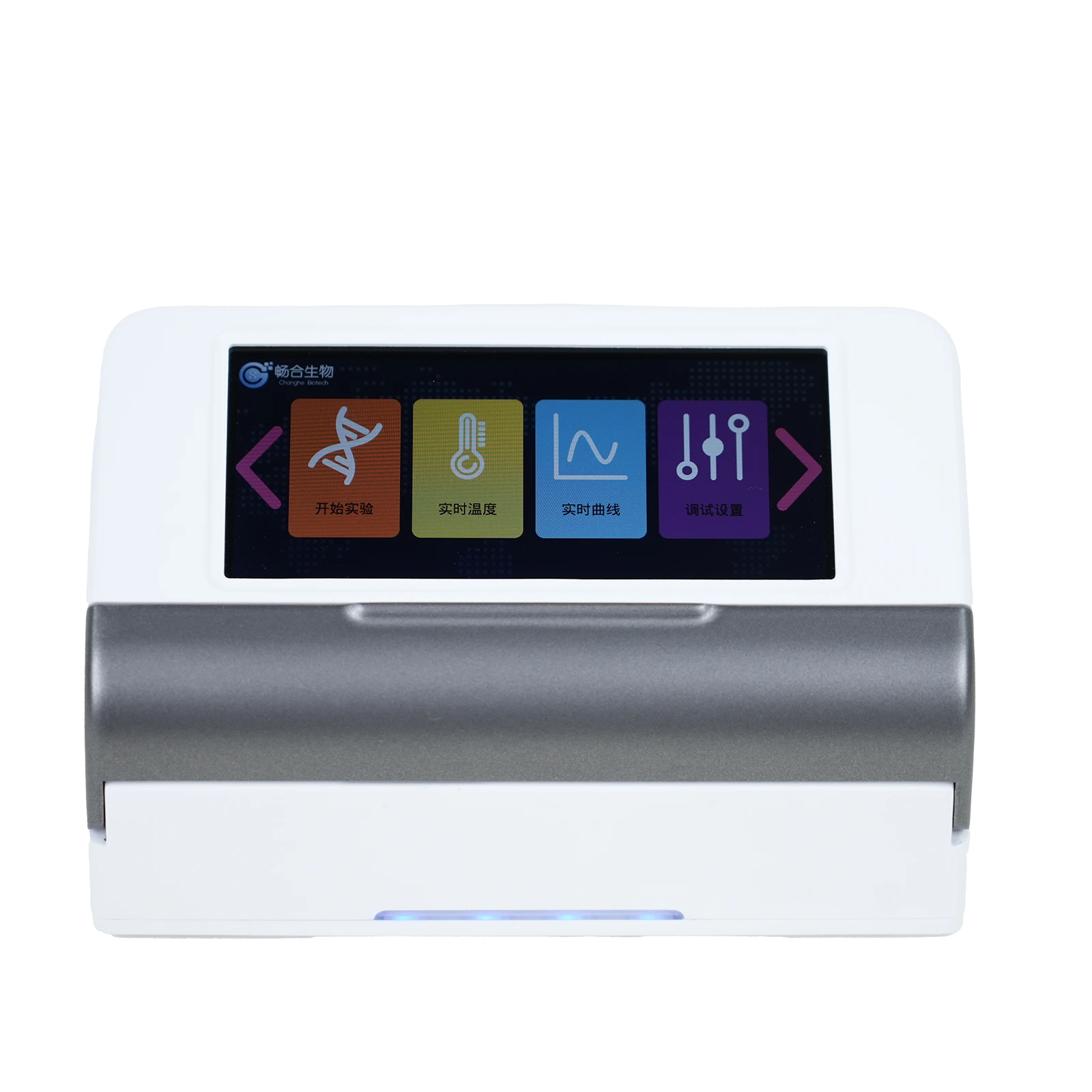
Modern PCR machines come with touchscreens and software that allow users to program protocols easily — no more fiddling with cryptic dials. Some even offer remote monitoring, which is handy if you’re running multiple tests overnight.
3. Portability and Durability
Nowadays, field-ready versions exist designed for rapid deployment in clinics or even disaster zones. Rugged design, battery operation, and lightweight builds are key factors engineers focus on here.
4. Throughput Capacity
Depending on need, machines vary in sample throughput: from single tubes to 96-well plates or more. Larger labs tend to use high-throughput models to process hundreds of samples a day, whereas point-of-care settings may prefer compact devices.
5. Cost Efficiency
Running costs, consumable use, and durability all influence a lab’s choice. Budget is often a tradeoff with features, but newer low-cost models are making PCR accessible for more users worldwide.
Key Specifications of Popular PCR Machines
| Specification | Model A | Model B | Model C |
|---|---|---|---|
| Throughput Capacity | 96 Wells | 32 Wells | 16 Wells |
| Thermal Range | 4°C – 99°C | 5°C – 98°C | 10°C – 95°C |
| Ramp Rate | 5°C/s | 3°C/s | 2.5°C/s |
| Portability | No | Yes (Battery) | Yes (Lightweight) |
| Approx. Price | $15,000 | $8,000 | $4,000 |
Mini takeaway: When choosing a PCR machine, it’s about balancing throughput, precision, portability, and cost.
Global Applications of Polymerase Chain Reaction Machines
From bustling urban hospitals in Tokyo to field units combating Ebola in Central Africa, the reach of PCR machines is truly global. In industrial zones, they’re essential for ensuring microbial safety in pharmaceuticals. In humanitarian crises, rapid diagnostic PCR units provide frontline data that doctors desperately need to manage outbreaks.
For example, during the COVID-19 response in India, portable PCR devices helped test remote villages, where sending samples to distant labs could delay treatment or isolation by days. Wildlife conservation efforts also leverage PCR tech to monitor biodiversity through environmental DNA analysis — quite the leap from its original medicine roots.
Advantages and Long-Term Value of PCR Machines
Some advantages are obvious — speed, accuracy, and scale. But beyond the laboratory bench, these devices contribute to better health outcomes, reduced disease spread, and better-informed policies. Emotionally, they embody hope: hope for rapid diagnosis, for saving lives, for scientific progress. They build trust in healthcare systems — a priceless commodity in pandemic times.
Financially, although initial investments can be hefty, the long-term savings from preventing outbreaks, tailoring treatments, or ensuring food safety are profound. Many hospitals report that after incorporating PCR testing, patient outcomes improved sharply, and the time to treatment shortened.
Future Trends and Innovations in Polymerase Chain Reaction Technology
Looking ahead, the trend is clear: more miniaturization, smarter automation, and integration with digital health platforms. Imagine handheld PCR devices able to sync results instantly with cloud databases, or combining PCR with CRISPR technology for even faster diagnostics. Beyond that, greener materials and energy-efficient designs are becoming critical — labs want equipment that protects the planet as well as patients.
Some companies are even experimenting with solar-powered PCR instruments for off-grid applications. It feels like the intersection of biotech and environmental responsibility is only going to deepen.
Challenges and Expert Solutions
Of course, nothing in technology is perfect. Common challenges include high costs, complex maintenance requirements, and the need for skilled technicians to operate and interpret results. In low-resource settings, electricity instability or supply chain disruptions add extra hurdles.
Innovations like pre-loaded reagent cartridges, user-friendly interfaces, and remote troubleshooting are making a difference. Training programs, partnerships with NGOs, and open-source software are also helping democratize access. It’s a field moving fast, but unevenly — which means collaboration is key.
FAQ: Frequently Asked Questions About Polymerase Chain Reaction Machines
- Q: How fast can a polymerase chain reaction machine deliver results?
- A: Most modern PCR machines can complete a typical test in about one to two hours. Faster models exist that reduce this time to under 30 minutes, useful in urgent diagnostic settings.
- Q: Can PCR machines detect all types of pathogens?
- A: PCR machines detect DNA or RNA segments, so theoretically any pathogen with genetic material can be identified if specific primers are used. That’s why they’re versatile across viruses, bacteria, or even genetic mutations.
- Q: Are portable PCR machines as reliable as lab models?
- A: While portable units may have smaller throughput and slightly different thermal dynamics, many have proven highly reliable in field evaluations, especially when rapid testing is essential.
- Q: What maintenance do PCR machines require?
- A: Routine cleaning, calibration, and software updates are necessary to maintain accuracy. Many vendors offer remote support or modular designs to simplify repairs.
Conclusion: Why Investing in Polymerase Chain Reaction Machines Makes Sense Today
To wrap it up, the polymerase chain reaction machine is no mere lab device — it’s a cornerstone technology driving global health innovation, pandemic preparedness, and molecular research. Its ability to rapidly amplify genetic material transforms raw samples into actionable data that help doctors, scientists, and field workers make informed decisions every day.
If you want to dive deeper, explore specs, or see how PCR technology fits your needs, I’d recommend starting with a trusted source — like our partners at polymerase chain reaction machine. It’s an investment in precision, speed, and ultimately better health outcomes for everyone.
Vendor Comparison for Popular PCR Machines
| Vendor | Model | Price Range | Key Feature | Ideal Use Case |
|---|---|---|---|---|
| BioTech Instruments | RapidPCR 5000 | $14,000 - $16,000 | High Throughput & Automated Protocols | Large Research Labs, Hospitals |
| MediLab Tech | FieldPCR Lite | $7,500 - $9,000 | Battery Powered, Ruggedized | Remote Clinics, Emergency Response |
| EcoBio Solutions | EcoAmp Compact | $3,500 - $4,500 | Energy Efficient & Lightweight | Academic Labs, Small Clinics |
Mini takeaway: The perfect PCR machine depends heavily on your lab’s scale, budget, and location — there's no one-size-fits-all.
References:
- World Health Organization (WHO) – Diagnostic Testing
- Wikipedia – Polymerase Chain Reaction
- ISO – Medical Laboratories and PCR Testing Standards
And finally — if you’re intrigued about the possibilities and want to stay current with PCR developments, don’t hesitate to visit our resource page. There’s a world of innovation waiting!
FAQ Recap
- How fast can PCR machines deliver results? Usually 1–2 hours, with rapid versions under 30 minutes.
- Can PCR detect all pathogens? Yes, if specific primers target their genetic material.
- Are portable PCR machines reliable? Many are, especially in urgent or remote settings.
- Maintenance? Regular cleaning, calibration, and software updates are vital.
-
Uniplex PCR Equipment for Industrial Biosafety & MonitoringNewsDec.08,2025
-
TB PCR Kit: A Veteran’s Take on Leading Diagnostic ToolsNewsDec.08,2025
-
Stem Loop Rt Pcr – Advanced Molecular Detection Solutions for Industry | Bio Aerosol SamplerNewsDec.08,2025
-
Reliable RT PCR RNA Virus Testing & Bioaerosol Sampling EquipmentNewsDec.07,2025
-
Rt Pcr Monkeypox: Advanced Viral Detection Solutions for B2B IndustriesNewsDec.07,2025
-
RT PCR Kit for Monkeypox Detection – Reliable Diagnostics ToolNewsDec.07,2025