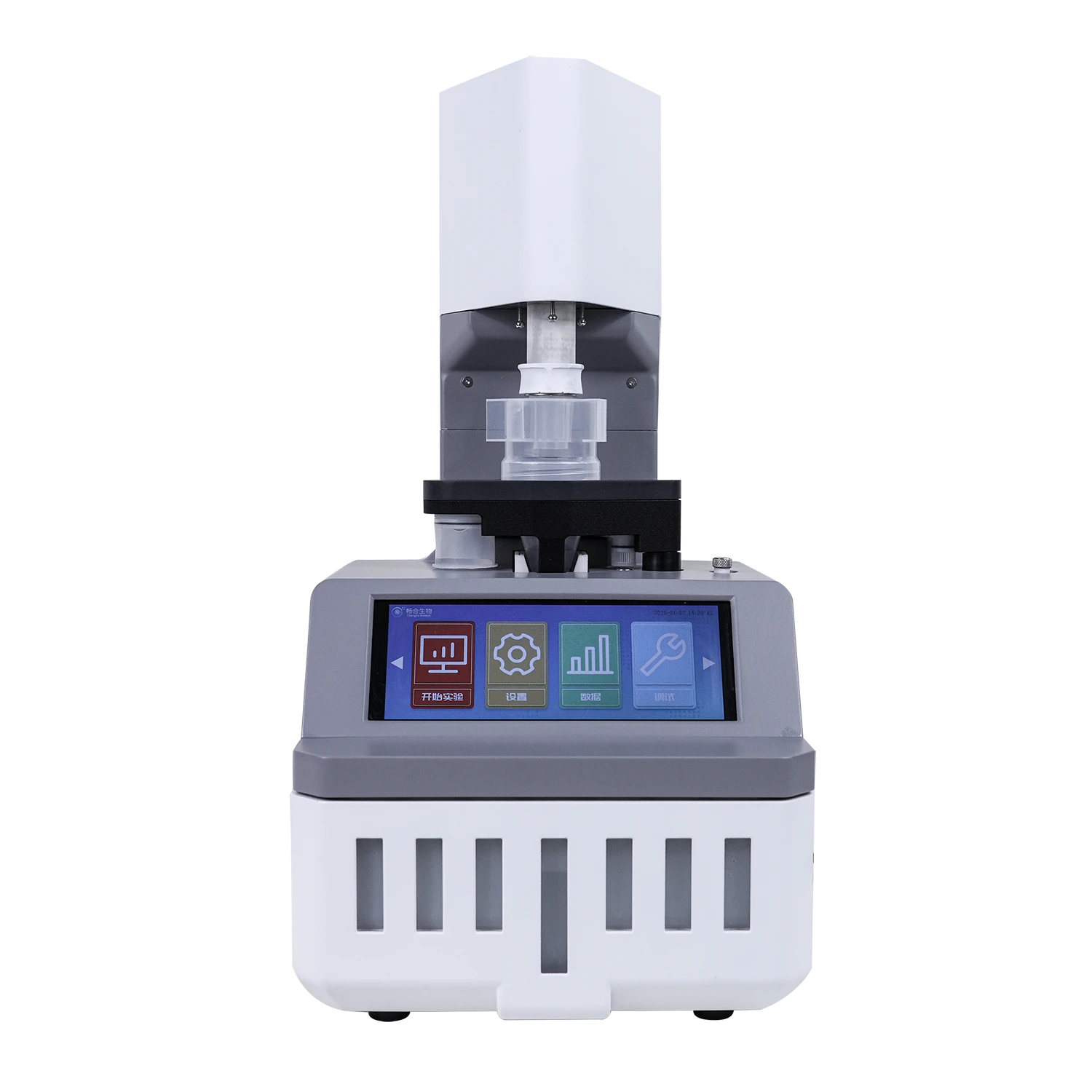

Polymerase Chain Reaction PCR Machine – Essential Tech for Precision Diagnostics
Polymerase Chain Reaction PCR Machine: A Quiet Revolution in Molecular Science
Before we dive in, let’s take a moment to appreciate the role of the polymerase chain reaction PCR machine. It’s not just some laboratory equipment tucked away behind thick glass walls. This machine is a powerhouse in biology, medicine, and a host of industry sectors — quietly revolutionizing how we detect, diagnose, and understand life at the molecular level. Understanding this device isn't just for scientists; it’s something everyone should appreciate given its global impact—particularly in healthcare and research.
The Global Significance of the Polymerase Chain Reaction PCR Machine
Worldwide, PCR testing has become synonymous with rapid, precise detection—whether tracking viral outbreaks or ensuring food safety. The World Health Organization highlights PCR as a frontline diagnostic tool, especially for infectious diseases like COVID-19, tuberculosis, and HIV. With over 200 million PCR tests performed globally in recent years, demand underscores a critical need for machines that are fast, reliable, and cost-effective.
Yet, challenges remain: many regions suffer from inadequate lab infrastructure or expensive devices — this is where advances in polymerase chain reaction PCR machines can bridge huge diagnostic gaps.
Mini takeaway: PCR machines are globally vital, accelerating diagnosis and research even amidst logistical challenges.
Understanding the Polymerase Chain Reaction PCR Machine
Simply put, a polymerase chain reaction PCR machine automates a process that copies segments of DNA. It cycles through precise temperature changes—heating and cooling—to “amplify” tiny genetic samples billions of times. This is crucial because many genetic tests need enough DNA to be detected or analyzed.
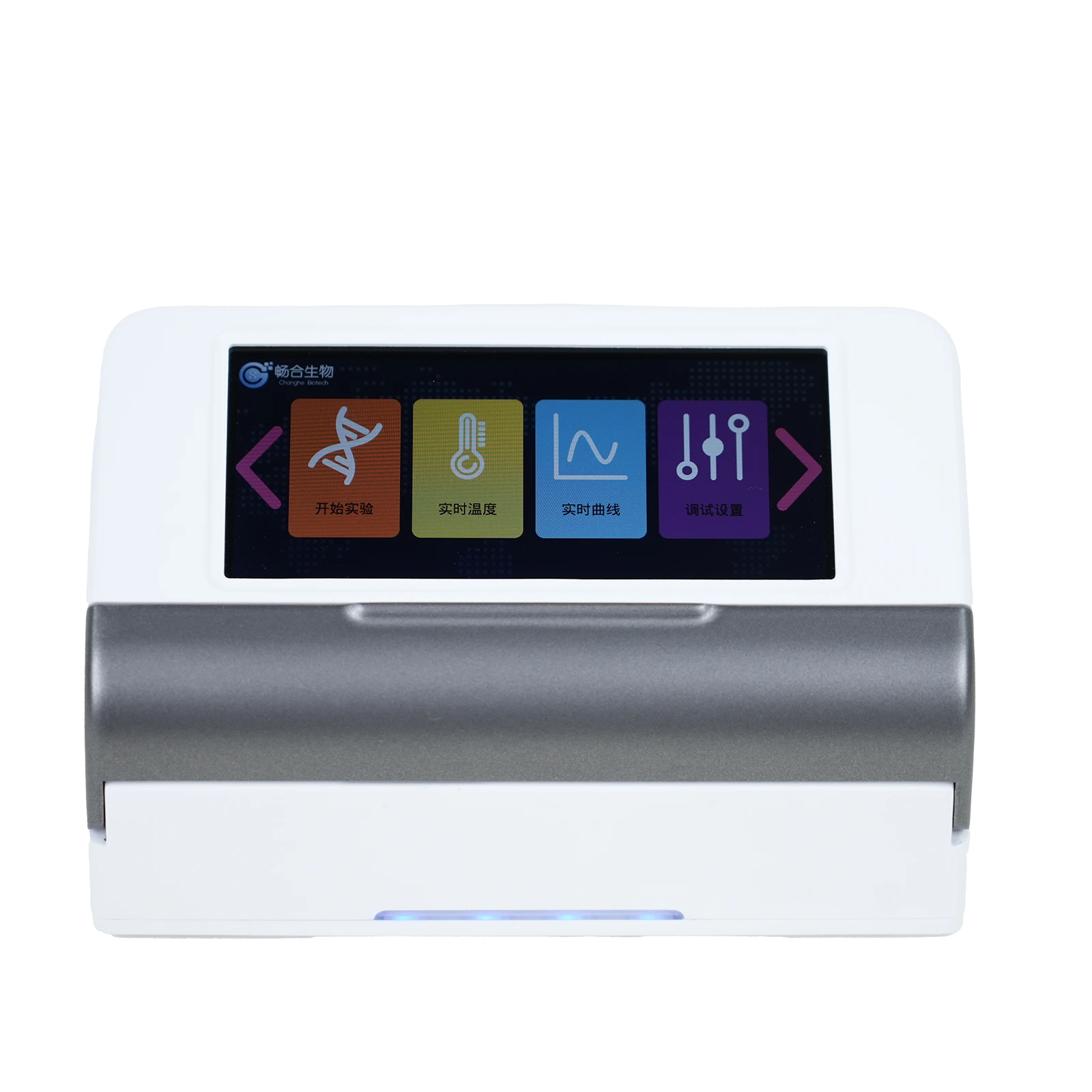
Modern PCR machines blend precise thermal control, user-friendly interfaces, and often data connectivity to deliver rapid results in clinical and research settings. From hospitals diagnosing infections to environmental agencies tracking microbes, these machines have become indispensable.
Core Components and Key Features
1. Thermal Cycler Unit
This is the heart of the PCR machine. It precisely ramps temperatures from around 50°C to 95°C and back, guiding the DNA through denaturation, annealing, and extension phases.
2. Optical Detection System
Many modern devices include fluorescence-based detection, enabling real-time PCR that tracks DNA amplification live. This means results can appear faster and with better accuracy.
3. User Interface & Software
From touchscreen panels to PC connectivity, intuitive controls help technicians design experiments and interpret data quickly—always essential in high-pressure labs.
4. Sample Capacity
PCR machines come in various sizes — from compact units handling 16 samples at once to large-scale instruments, supporting hundreds. Scalability matters for labs balancing throughput and turnaround time.
5. Robustness & Portability
Recent designs focus on field-deployable PCR machines for outbreak zones or remote research stations, emphasizing ruggedness and battery operation.
| Specification | Standard PCR Machine | Real-Time PCR Machine |
|---|---|---|
| Sample Capacity | 16–96 samples | 16–384 samples |
| Temperature Range | 4–99°C | 4–99°C with Optical Detection |
| Detection Method | End-point analysis | Fluorescent probes (Real-time) |
| Typical Run Time | 1–2 hours | 30–90 minutes |
| Portability | Limited (Benchtop) | Compact & Portable Options Available |
Mini takeaway: PCR machines vary widely by sample size, speed, and detection methods, making them adaptable to different lab needs.
Worldwide Uses of PCR Machines
These machines aren’t just lab cold cases. Globally, they’ve permeated countless sectors:
- Healthcare: Hospitals use PCR extensively for early disease diagnosis, including infectious diseases like tuberculosis, COVID-19, and cancer mutation detection.
- Food Safety: Inspections agencies apply PCR to identify contamination in foods — think salmonella or GMO verification.
- Environmental Science: PCR helps track waterborne pathogens or rare species through environmental DNA (eDNA) sampling.
- Forensics: Fast genotyping during criminal investigations depends heavily on PCR.
- Research & Pharma: PCR machines accelerate drug discovery by enabling rapid genetic testing.
In regions like Sub-Saharan Africa and Southeast Asia, affordable and portable PCR machines have become lifelines for disease surveillance, especially where lab infrastructure is scarce.
Mini takeaway: PCR machines empower diverse industries worldwide—from remote environmental monitoring to frontline healthcare.
Benefits and Enduring Impact of PCR Machines
Let’s talk real benefits:
- Speed: Rapid testing means quicker treatment and containment.
- Accuracy: High specificity reduces false positives, critical for patient safety.
- Cost savings: Precise diagnostics avoid unnecessary treatments, saving healthcare budgets.
- Social goodwill: Reliable data rebuilds trust in public health initiatives, especially during epidemics.
On the emotional side, think about the reassurance families get when faster test results bring clarity. For scientists, the innovation feels like a giant leap—where “what ifs” became “here’s the answer.”
What’s Next? The Future of PCR Machines
Innovation marches on. Some trends to watch:
- Integration with AI: Smart analysis for quicker diagnosis and trend prediction.
- Wearable PCR devices: A bit sci-fi? Maybe, but wearable biosensors with PCR tech are being tested.
- Green technologies: Energy-efficient thermal cyclers and recyclable materials.
- Automation & connectivity: Remote monitoring and cloud-based data management to support global health networks.
It feels like PCR machines won’t just sit on benchtops but become smarter and possibly more personal. Imagine disease outbreak detection from your smartphone—oddly enough, it’s not just fantasy anymore.
Overcoming Challenges with PCR Machines
Any technology has its hurdles:
- High initial cost: Some machines remain pricey, limiting access.
- Technical expertise: Requires trained staff, a barrier to some low-resource settings.
- Sample contamination risk: Meticulous protocols needed.
But solutions are evolving, from user-friendly interfaces to portable, rugged designs that require minimal training. NGOs and governments are partnering with vendors to subsidize and train local labs. It’s a work in progress — but progress nonetheless.
| Vendor | Price Range | Sample Throughput | Notable Features | Portability |
|---|---|---|---|---|
| Thermo Fisher Scientific | $15,000–$80,000 | 16–384 samples | Broad range, advanced software | Limited portability |
| Bio-Rad Laboratories | $10,000–$70,000 | 48–96 samples | Robust build, user-friendly | Moderate |
| Cepheid | $20,000–$100,000 | Up to 128 samples | Fully integrated, rapid testing | High portability options |
| Qiagen | $12,000–$60,000 | 24–96 samples | Integrated sample prep solutions | Moderate portability |
Frequently Asked Questions About Polymerase Chain Reaction PCR Machines
Q1: How fast can a typical polymerase chain reaction PCR machine deliver results?
A: Most standard PCR machines run for about 1 to 2 hours per test cycle. However, real-time PCR machines can sometimes reduce this to 30–90 minutes, especially with optimized protocols.
Q2: Are portable PCR machines reliable for field testing?
A: Yes, many modern portable PCR devices maintain accuracy comparable to lab instruments. They are designed with ruggedness and battery operation in mind, suitable for outbreak zones and remote areas.
Q3: What kind of maintenance do PCR machines require?
A: Regular cleaning of optical components, calibration of thermal cyclers, and software updates are common. Many vendors offer support plans to assist labs with upkeep.
Q4: Can PCR machines detect RNA viruses like SARS-CoV-2?
A: Yes. PCR machines detect DNA, but through reverse transcription PCR (RT-PCR), RNA viruses are converted to DNA first, allowing detection. This method is the gold standard for COVID-19 testing.
Q5: Is training required before operating a PCR machine?
A: Typically, yes. While some models are user-friendly, operators usually need basic molecular biology knowledge and adherence to contamination prevention protocols for reliable results.
Wrapping Up: The Promise of Polymerase Chain Reaction PCR Machines
To circle back, the polymerase chain reaction PCR machine is more than a gadget—it's the engine behind countless scientific breakthroughs and public health victories. Its ability to amplify tiny genetic clues into actionable data saves lives, protects food supplies, and supports scientific discovery. As technology nudges PCR machines towards smarter, portable, and greener futures, the potential to democratize access worldwide feels closer than ever.
If you want to explore available models, technical specs, and trusted vendors, or just dive deeper, check out this comprehensive resource on polymerase chain reaction pcr machine. Trust me, it’s worth bookmarking.
References
-
Uniplex PCR Equipment for Industrial Biosafety & MonitoringNewsDec.08,2025
-
TB PCR Kit: A Veteran’s Take on Leading Diagnostic ToolsNewsDec.08,2025
-
Stem Loop Rt Pcr – Advanced Molecular Detection Solutions for Industry | Bio Aerosol SamplerNewsDec.08,2025
-
Reliable RT PCR RNA Virus Testing & Bioaerosol Sampling EquipmentNewsDec.07,2025
-
Rt Pcr Monkeypox: Advanced Viral Detection Solutions for B2B IndustriesNewsDec.07,2025
-
RT PCR Kit for Monkeypox Detection – Reliable Diagnostics ToolNewsDec.07,2025