
Portable PCR Machines for COVID Testing: Global Impact & Practical Insights
Why Portable PCR Machines for COVID-19 Testing Matter Globally
The emergence of the COVID-19 pandemic threw the world into a whirlwind. Early and accurate testing quickly proved to be one of the most critical pillars in mitigating viral spread. But here’s the kicker: not every community has easy access to big medical facilities. Enter the portable PCR machine for COVID — a game changer that's making testing faster, more accessible, and, frankly, a little less nerve-wracking.
Understanding these compact devices isn’t just for the tech-savvy or healthcare professionals. For policymakers, organizations, and even curious citizens, knowing how portable PCR machines work and why they’re becoming indispensable helps paint a clearer picture of the ongoing fight against global health crises.
Mini takeaway: Portable PCR machines bridge the gap between centralized labs and on-the-spot diagnostics, offering timely testing where it’s needed most.
The Global Context: Why Portable PCR Devices for COVID-19 Are Needed Now More Than Ever
By mid-2023, global testing had surpassed hundreds of millions of PCR tests, but a significant portion of rural or underserved regions still lacked fast, reliable diagnostics. The World Health Organization (WHO) estimated that nearly 40% of the global population doesn't have prompt access to laboratory PCR testing facilities—leading to delays in diagnosis and containment efforts (WHO).
Considering the viral nature of COVID-19, where every hour counts, having compact, transportable PCR machines responds directly to these challenges. They empower healthcare workers in remote villages, border checkpoints, mobile clinics, and even airports to detect infections quickly without waiting days for results.
However, these devices aren’t just stopgaps — they symbolize an evolution in medical testing technology, reflecting a broader push for decentralized healthcare and pandemic preparedness. So the question many ask: can these machines keep up with volume, accuracy, and practical field conditions?
What Exactly Is a Portable PCR Machine for COVID?
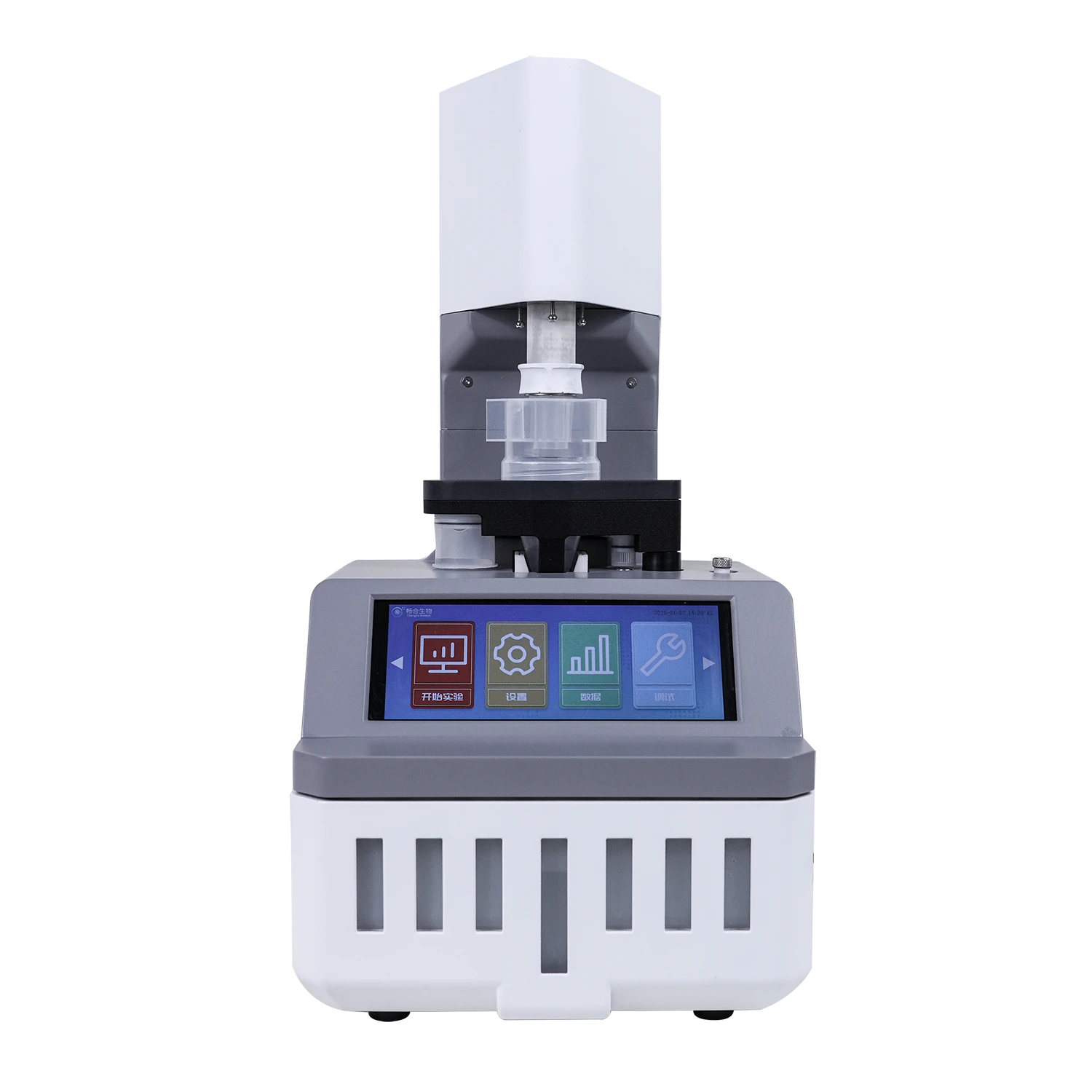
In simplest terms, a portable PCR machine is a miniaturized, often battery-operated device designed to conduct Polymerase Chain Reaction (PCR) tests outside of traditional labs. PCR itself is the gold standard for detecting viral genetic material—in this case, SARS-CoV-2, the COVID-19 virus.
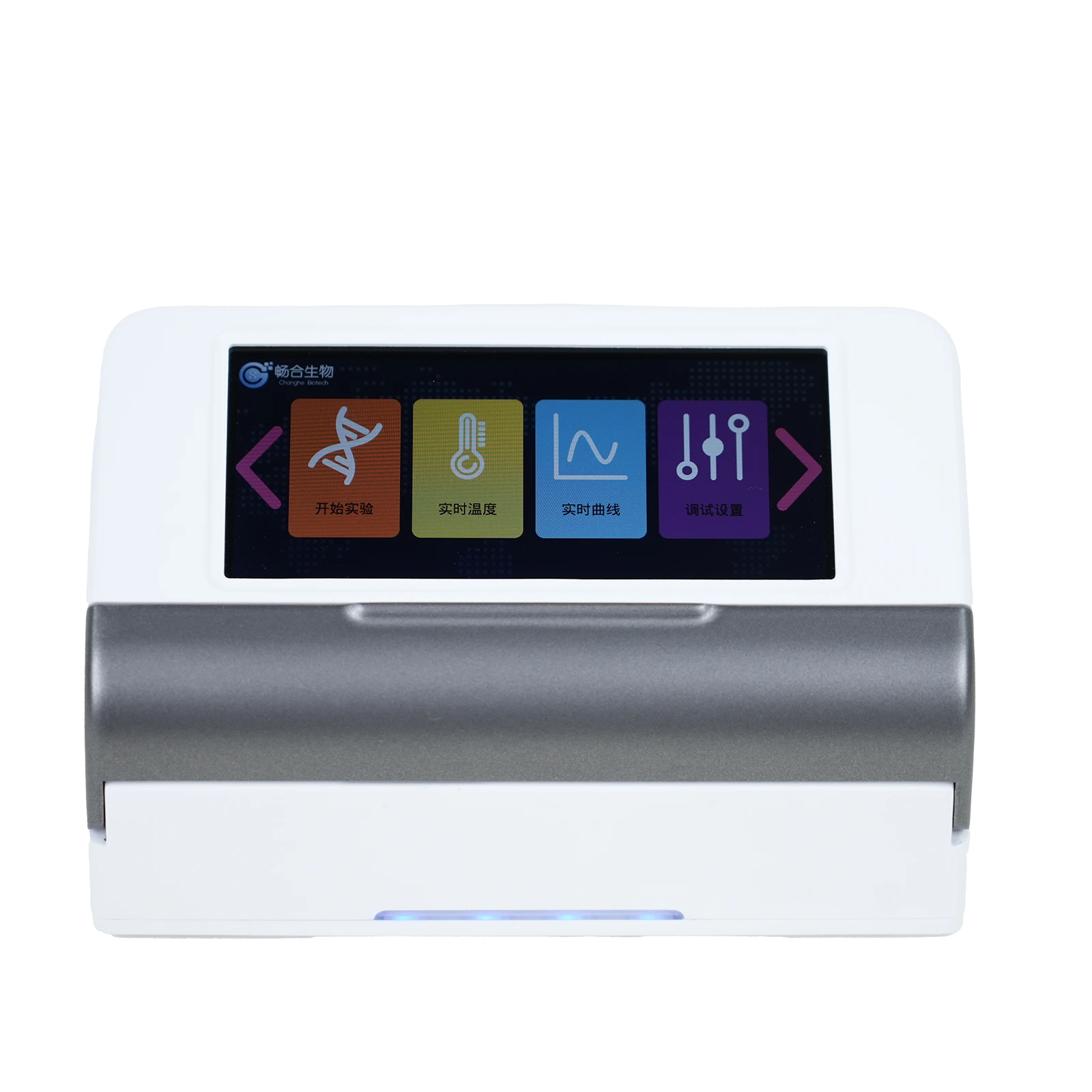
Thanks to advances in microfluidics and thermal cycling, these machines shrink what used to be bulky devices into units roughly the size of a shoebox or even smaller. They typically combine sample preparation, amplification, and detection, delivering results in as little as 30 minutes.
On a humanitarian or industrial level, this means quick, reliable diagnosis at points of care—even when infrastructure like electricity or lab spaces are unreliable or absent.
Key Features That Define Effective Portable PCR Machines
1. Durability & Portability
Many devices use rugged exteriors to endure rough handling, dust, and variable temperatures. Some are compact enough to fit in backpacks, weighing under 3 kg, which allows frontline workers to carry them easily across challenging terrains.
2. Rapid Turnaround Time
Unlike traditional PCR machines that can take several hours, modern portable versions optimize thermal cycling to provide results in under an hour, balancing speed with sensitivity.
3. User-Friendly Interface
Because not everyone operating these will be lab technicians, most include touchscreen interfaces, guided instructions, or even smartphone integration to simplify usage.
4. Scalability & Connectivity
Some models allow simultaneous testing of multiple samples or connecting to cloud databases for reporting and epidemiological tracking—a critical component for public health monitoring.
5. Cost Efficiency
Lower costs in instrumentation and consumables encourage wider adoption, especially in low-income countries or smaller clinics.
Mini takeaway: These features balance the tightrope between practical field use and scientific rigor, enabling portable PCR machines to be more than mere novelties.
Global Applications: Real-World Stories of Portable PCR Machines Fighting COVID-19
Africa’s rural clinics employed portable PCR units during localized outbreaks, slashing turnaround times from days to under an hour—ultimately saving lives through timely isolation measures.
In Southeast Asia, mobile testing teams used these devices at border crossings, where quick diagnosis helped prevent cross-border transmission without halting essential commerce.
Even remote industrial operations like mining camps or oil rigs incorporated these machines to monitor worker health and avoid costly COVID-19 shutdowns.
Organizations like Médecins Sans Frontières (Doctors Without Borders) specifically praised portable PCR machines during emergency deployments in disaster zones where laboratory access was wiped out (Wikipedia).
Product Specification Table
| Feature | Typical Spec | Notes |
|---|---|---|
| Size / Weight | 25 cm x 20 cm x 15 cm / 2.5 kg | Handheld to tabletop |
| Power | Battery or AC power | 8 hours portable use typical |
| Sample Capacity | 1–4 samples per run | Some models up to 8 |
| Time Per Test | 30–60 minutes | Depends on assay and machine |
| Connectivity | WiFi, Bluetooth, USB | For data logging and reporting |
| Operating Temp | 10°C to 40°C | Ruggedized models vary |
Comparing Leading Portable PCR Machine Vendors
| Vendor | Battery Life | Throughput | Ease of Use | Cost (USD) |
|---|---|---|---|---|
| GeneFast | 8 hours | 4 samples/run | Very intuitive touchscreen | $15,000 |
| QuickTest PCR | 6 hours | 1 sample/run | Simple button interface | $9,800 |
| NanoPCR Solutions | 10 hours | 8 samples/run | Smartphone app integration | $22,000 |
The Lasting Value of Portable PCR Machines in COVID-19 and Beyond
Advantages go beyond convenience. They enable early detection that reduces transmission chains, protecting vulnerable populations and frontline workers alike. Cost savings arise from avoiding widespread outbreaks, and the social dignity gained when people can access rapid testing without travel or long waits can’t be overstated.
Some engineers say the emotional relief that comes with quick results—especially for healthcare staff—sparks more calm, better patient compliance, and trust in healthcare systems fighting this ever-shifting pandemic.
Innovations on the Horizon: What’s Next for Portable PCR Technology?
Looking forward, the integration of AI for faster results interpretation, solar-powered charging for ultra-remote zones, and multi-pathogen testing capabilities are breakthroughs in the pipeline. Standards organizations like ISO have been working on certifications ensuring these machines meet strict accuracy benchmarks even in harsh environments.
Digital transformation efforts mean results are increasingly linked directly to health databases securely and anonymously, accelerating public health responses.
Challenges Facing Portable PCR Machines and How They're Being Addressed
Some drawbacks linger: reagent supply shortages, occasional false negatives, and the learning curve for operators. Manufacturers are responding with reagent kits stable at room temperature, improved sensor technology, and training programs delivered via mobile apps.
Frankly, no technology is perfect, but iterative improvements are steadily closing gaps.
FAQ: Understanding Portable PCR Machines for COVID Testing
- Q: How fast can a portable PCR machine give COVID-19 results?
A: Typically between 30 to 60 minutes, depending on the device and assay used, significantly faster than centralized labs which may take hours to days. - Q: Are portable PCR machines as accurate as traditional lab machines?
A: Yes, when maintained properly and using quality reagents, portable PCR units are comparable in sensitivity and specificity to lab-based systems (PCR accuracy on Wikipedia). - Q: Can I use a portable PCR machine without specialized lab training?
A: Modern machines are designed for ease of use with guided instructions and simple interfaces. Some vendors offer training and remote support as well. - Q: What environments are portable PCR machines designed for?
A: Many are ruggedized for field conditions including temperature fluctuations, dust, and limited power availability. - Q: How do I choose between different portable PCR providers?
A: Consider throughput, battery life, ease of use, cost, and vendor support. Our vendor comparison table above can help as a quick guide.
Final Thoughts: Why Investing in Portable PCR Machines Makes Sense
When looking at the long-term picture, portable PCR machines represent smart investments in healthcare resilience. They democratize access to vital diagnostics, reduce delays, and support rapid responses not only to COVID-19 but future infectious threats as well.
If you’re interested in exploring options or learning more, don’t hesitate to visit our resource page at portable pcr machine covid. It’s worth equipping your teams with tools that could literally save lives.
References:
- World Health Organization (WHO) - Global COVID-19 Testing Guidelines
- Wikipedia - Polymerase Chain Reaction (PCR)
- Wikipedia - Doctors Without Borders / MSF
-
Uniplex PCR Equipment for Industrial Biosafety & MonitoringNewsDec.08,2025
-
TB PCR Kit: A Veteran’s Take on Leading Diagnostic ToolsNewsDec.08,2025
-
Stem Loop Rt Pcr – Advanced Molecular Detection Solutions for Industry | Bio Aerosol SamplerNewsDec.08,2025
-
Reliable RT PCR RNA Virus Testing & Bioaerosol Sampling EquipmentNewsDec.07,2025
-
Rt Pcr Monkeypox: Advanced Viral Detection Solutions for B2B IndustriesNewsDec.07,2025
-
RT PCR Kit for Monkeypox Detection – Reliable Diagnostics ToolNewsDec.07,2025