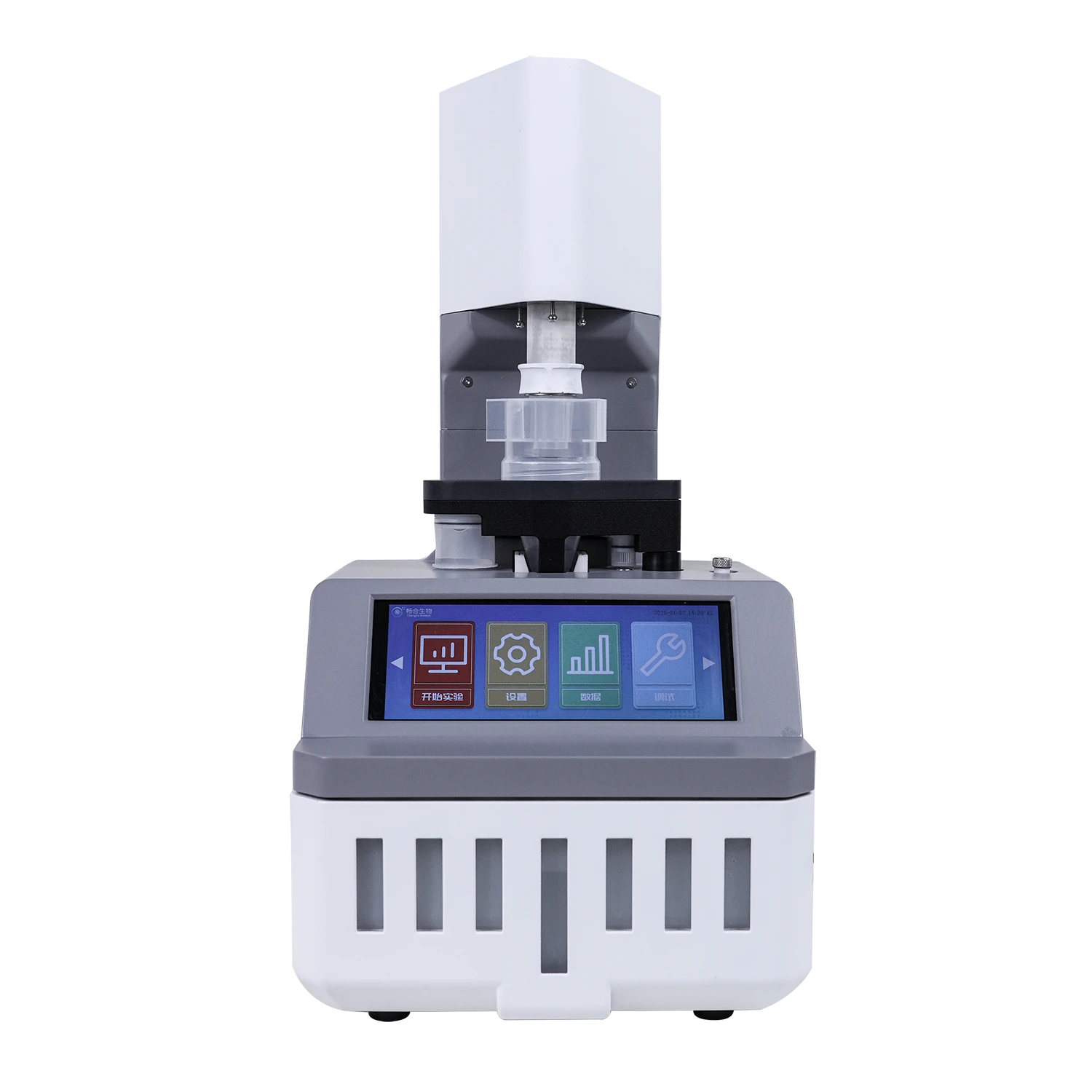

Portable PCR Test Machine: Revolutionizing On-Site Diagnostics Globally
Nov . 29, 2025 07:00
Back to list
Portable PCR Test Machine: Revolutionizing On-Site Diagnostics Globally
Why Portable PCR Test Machines Are Changing the Global Diagnostic Landscape
It’s funny how something as compact as a portable PCR test machine can wield so much power in the world of diagnostics today. At a glimpse, these devices seem like mere gadgets, but they’ve become frontline heroes in healthcare, environmental monitoring, and even industrial quality assurance worldwide. Given the rise of global health emergencies and the need for quick, accurate testing in remote or resource-limited areas, understanding these compact lab wonders is pretty much essential — not just for lab techs but for policymakers, frontline workers, and companies alike. ---The Global Pulse: Why Portable PCR Test Machines Matter
Fact: The World Health Organization reports that over 70% of medical decisions worldwide rely on lab tests. Yet, many communities, especially in rural or disaster-stricken regions, lack access to timely, reliable lab diagnostics. Enter the portable PCR test machine — a breakthrough that has accelerated responses from epidemic control to food safety checks. PCR, or polymerase chain reaction, has long been the gold standard for detecting viruses, bacteria, or genetic markers. But the classic machines are bulky, expensive, and require skilled operators — not exactly ideal given today’s constraints. Portable PCR machines, which weigh only a few kilograms, elegantly sidestep those challenges, offering rapid, onsite testing without sacrificing accuracy. Quick takeaway: These devices democratize testing, turning hospitals, field clinics, and even border checkpoints into mini-labs. The UN, through its global health initiatives, increasingly recommends portable diagnostics as a cost-effective solution to improve healthcare equity worldwide. ---What Exactly Is a Portable PCR Test Machine?
Simply put, a portable PCR test machine shrinks the traditional lab PCR process into a pocket-sized device (okay, maybe more like a small suitcase). It automates the amplification of DNA or RNA samples, identifying pathogens or genetic material in as little as 30 minutes. Its portability means it’s battery-operated or supports low power, so it fits well in non-traditional labs — think mobile clinics, field trucks, or even unmanned disaster zones. Its significance isn’t just scientific. These machines connect deeply to humanitarian needs — rapid diagnosis helps break chains of infection early, saving lives and resources when it’s needed most. ---Core Components Driving Portable PCR Machines
1. Compact Thermal Cycling
Traditional PCR machines rely on precise heating and cooling cycles to amplify DNA. Portable units use miniaturized, efficient thermal cyclers that reduce power needs while maintaining temperature stability. It feels almost like designing a tiny oven that can be controlled by a smartphone.2. Integrated Sample Processing
Many models now include onboard nucleic acid extraction, reducing contamination risk and handling complexity. It’s the kind of seamless workflow that makes testing less of a hassle in the field.3. User-Friendly Interface
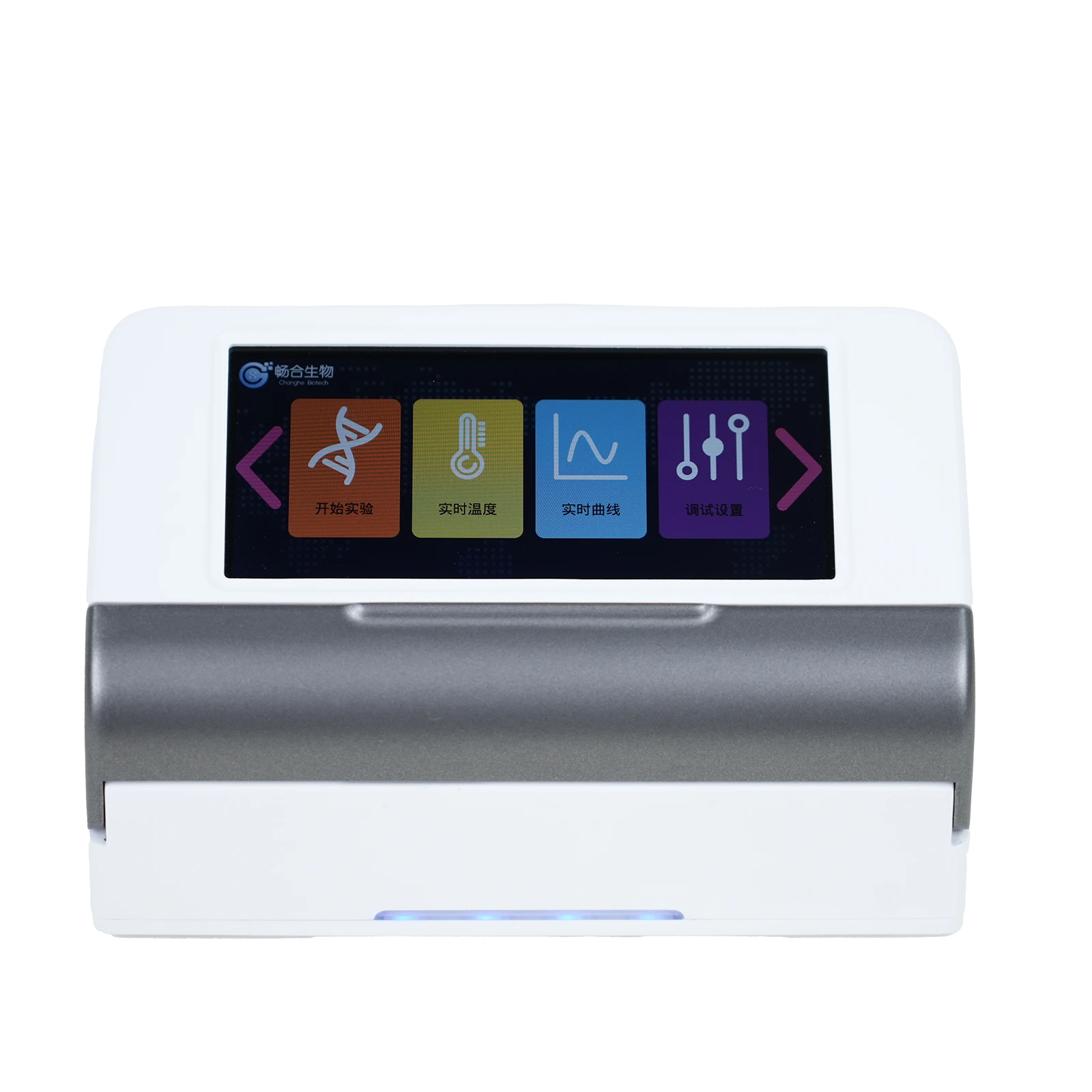
Given non-specialist operators often use these devices, intuitive touchscreens and clear readouts are fundamental. Some even sync to mobile apps for data tracking — quite handy when managing tests across a dispersed team.4. Robust Build and Energy Efficiency
Since field conditions can be unpredictable — dust, humidity, temperature swings — devices must be rugged yet lightweight. Many vendors opt for reinforced casing and adaptive power management.5. Connectivity and Data Integration
IoT features increasingly allow real-time data upload to centralized databases, a vital step for surveillance and response teams worldwide. Quick takeaway: The magic is in balancing portability with lab-grade accuracy, and luckily, that balance seems to be achieved better year after year. ---Real-World Uses Across the Globe
Portable PCR machines have stamped their mark in a surprising variety of situations: - Post-disaster relief: After earthquakes or floods, rapid disease surveillance is critical. Portable PCR helps detect and contain local outbreaks of cholera or dengue quickly on site. - Remote industrial zones: Mining or oil rigs, often far from labs, use these machines for worker health screening or environmental tests. - Border health security: Customs facilities rely on quick PCR to verify food safety or screen for pathogens in travelers. - Wildlife conservation: In tracking zoonotic diseases, teams in rainforests or savannas use these to test animal samples promptly. Regions from Sub-Saharan Africa to Southeast Asia have seen donor programs equip clinics with portable units, aiding everything from tuberculosis diagnosis to COVID-19 response. ---Advantages and Long-Term Value of Portable PCR Testing
The benefits stack up nicely: - Cost efficiency: Cuts down transport and sample processing delays — saving money and lives. - Rapid decision-making: Results in under an hour transform clinical pathways. - Sustainability: Less reliance on large centralized labs means fewer emissions and better resource allocation. - Social impact: In places long underserved, these devices build trust in healthcare systems. - Reliability & precision: Counts for a lot when both quality and speed matter. Frankly, there’s a sense of empowerment when you can test right where it counts, rather than shipping samples across continents. ---Looking Ahead: Innovations and Future Trends
Keep an eye on: - Green energy integration: Solar-powered PCR devices aim to eliminate the power grid dependency. - Fully automated cartridge systems: Minimizing user steps further, offering near “sample in, result out” experiences. - AI-enhanced diagnostics: Machine learning algorithms analyzing PCR curves promise faster, more nuanced interpretation. - Improved multiplexing: Running many tests simultaneously for comprehensive pathogen panels. - Global data networks: Real-time worldwide dashboards guiding epidemiologists with up-to-the-minute insights. The race is on for faster, smarter, and kinder-to-the-environment PCR devices. ---Challenges and Practical Solutions
No tech is perfect. Portable PCR machines face: - Operational hurdles: User training can be uneven, risking errors. - Supply chain constraints: Consumables may be scarce in some regions. - Cost barriers: Initial investment might seem high for smaller clinics. - Data security concerns: Especially with wireless connectivity. Yet creative solutions emerge: remote training modules, local consumable production, leasing models, encrypted data handling — all serious steps toward closing these gaps. ---Portable PCR Test Machine FAQ
- Q: How fast can portable PCR test machines deliver results?
A: Typically within 30 to 60 minutes. This rapid turnaround accelerates treatment decisions and outbreak control. - Q: What environments are most suitable for portable PCR testing?
A: Anywhere with limited lab access — rural clinics, disaster zones, remote industrial sites, and border crossings. - Q: How accurate are portable PCR machines compared to traditional lab equipment?
A: While slightly less sensitive in rare cases, most portable PCR units closely match lab-grade accuracy when used correctly. - Q: Can non-experts operate these machines?
A: Many models feature user-friendly interfaces designed for trained non-specialists, but some basic instruction is still recommended. - Q: Are portable PCR devices cost-effective for small clinics?
A: Over time, savings from rapid diagnosis and reduced sample transport often offset initial costs, especially with leasing or subsidy programs.
Portable PCR Test Machine Specifications
| Specification | Details |
|---|---|
| Weight | 3.5 kg (7.7 lbs) |
| Power Supply | Rechargeable Li-ion battery / AC |
| Thermal Cycles | 40 cycles in ~30 min |
| Sample Capacity | 1-8 samples per run |
| Connectivity | Wi-Fi, Bluetooth, USB |
| Operating Temperature Range | 5°C – 40°C (41°F – 104°F) |
Vendor Comparison: Popular Portable PCR Test Machines
| Vendor | Price Range | Sample Capacity | Battery Life | Extra Features |
|---|---|---|---|---|
| QuickTest Biotech | $12,000 - $15,000 | 8 samples/run | 6 hrs | App integration, AI analysis |
| FieldLab Solutions | $10,000 - $13,000 | 4 samples/run | 8 hrs | Solar charging, rugged casing |
| NanoPCR Tech | $14,000 - $17,000 | 16 samples/run | 4 hrs | Multiplexing, cloud sync |
Reflection
Oddly enough, it feels like we often underestimate the practical impact of making lab diagnostics portable and fast. But when everything hinges on a quick yes-or-no decision—be it during an Ebola outbreak or in a remote factory’s quality control—these machines become invaluable. The balance of portability, accuracy, and adaptability seems to be continuously refined, hinting at a not-so-distant future where diagnostics fit as easily in backpacks as they do on benches. I can’t help but think this tech evolution will ripple far beyond healthcare, touching on food safety, environment, and security in ways we’ve barely imagined yet. ---Ready to Embrace the Future of Testing?
For those curious to explore or equip with the latest portable PCR test machines, check out our detailed product offerings and industry insights at portable pcr test machine. Let’s make diagnostics effortless, wherever it matters. ---Previous:
Latest news
-
Uniplex PCR Equipment for Industrial Biosafety & MonitoringNewsDec.08,2025
-
TB PCR Kit: A Veteran’s Take on Leading Diagnostic ToolsNewsDec.08,2025
-
Stem Loop Rt Pcr – Advanced Molecular Detection Solutions for Industry | Bio Aerosol SamplerNewsDec.08,2025
-
Reliable RT PCR RNA Virus Testing & Bioaerosol Sampling EquipmentNewsDec.07,2025
-
Rt Pcr Monkeypox: Advanced Viral Detection Solutions for B2B IndustriesNewsDec.07,2025
-
RT PCR Kit for Monkeypox Detection – Reliable Diagnostics ToolNewsDec.07,2025