
Understanding pcr testes transgênicos for Agricultural Purity
Understanding PCR Testes Transgênicos: Ensuring Agricultural Purity
In the modern era of biotechnology, the ability to accurately identify genetically modified organisms (GMOs) is critical for food safety, regulatory compliance, and environmental monitoring. The use of pcr testes transgênicos (PCR tests for transgenic organisms) has become the gold standard for detecting specific DNA sequences associated with genetic modification. By amplifying tiny fragments of genetic material, these tests provide a highly sensitive and specific method to determine whether a crop is conventional or transgenic. This process is essential for maintaining transparency in the global food supply chain and ensuring that labeling laws are strictly followed.
How PCR Testes Transgênicos Work in the Lab
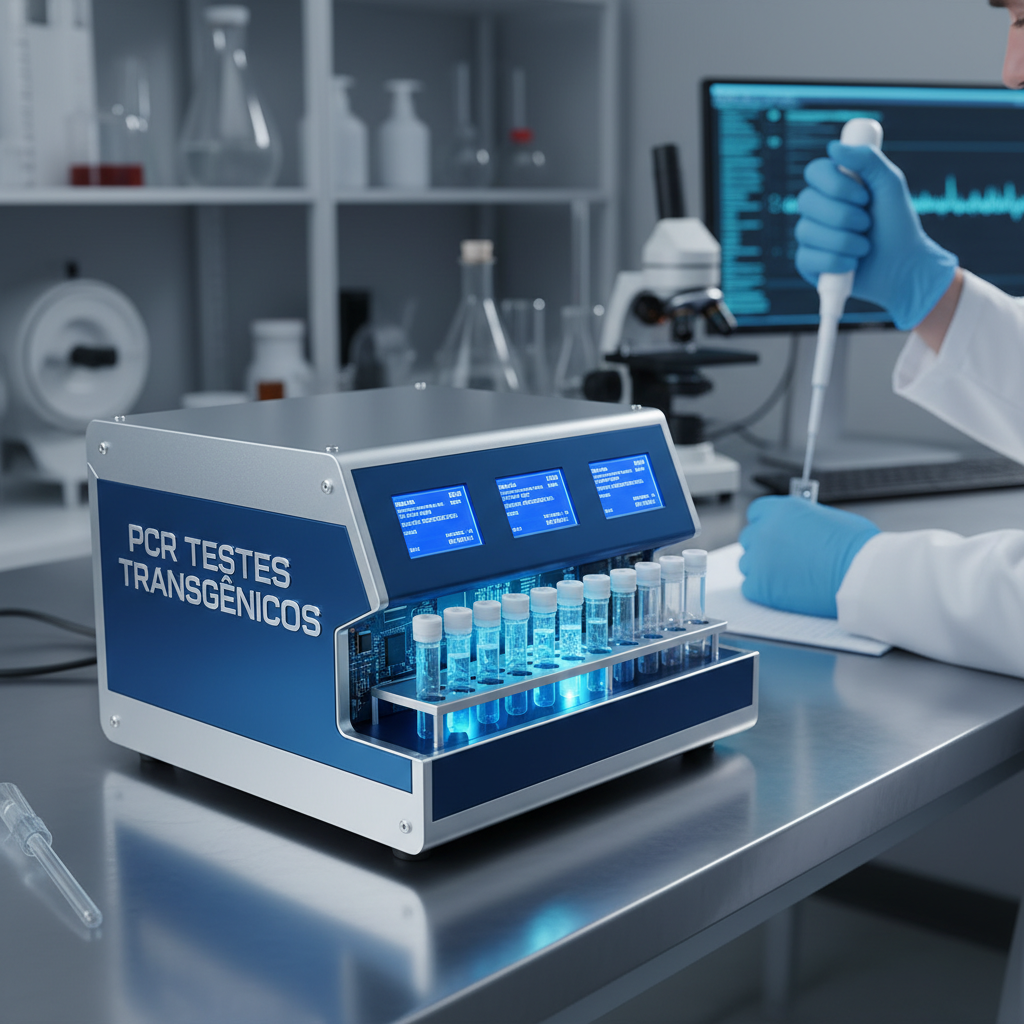
The core of pcr testes transgênicos relies on the Polymerase Chain Reaction (PCR) technique. The process begins with DNA extraction from the sample, followed by the addition of specific primers that target known transgenic sequences, such as the 35S promoter from cauliflower mosaic virus or the NOS terminator. Through repeated cycles of denaturation, annealing, and extension, the target DNA is amplified millions of times. This allows scientists to detect even the smallest percentage of transgenic contamination in a bulk sample of grain or seed, ensuring that biological purity is maintained across the production line.
Technical Insight: Quantitative PCR (qPCR) is often preferred over standard PCR because it not only detects the presence of a transgene but also quantifies the exact percentage of GMO content in a sample.
Applications of PCR Testes Transgênicos in Trade
For international traders and agricultural exporters, implementing pcr testes transgênicos is a necessity for market access. Many regions, particularly the European Union, have strict thresholds for the adventitious presence of GMOs. Failure to verify the non-GMO status of a shipment can lead to costly rejections at customs or legal penalties. Beyond trade, these tests are used in seed certification to prevent the accidental spread of transgenic pollen to organic farms, protecting biodiversity and the ecological balance of the region.
Comparing PCR Testes Transgênicos with Other Methods
While various methods exist to detect GMOs, PCR remains the most reliable due to its sensitivity. For example, protein-based tests (like ELISA) only detect the protein expressed by the gene, which may be degraded during food processing. In contrast, DNA-based pcr testes transgênicos can identify the genetic blueprint regardless of whether the protein is still present. This makes PCR indispensable for testing processed foods like corn syrup or soybean oil.
Quality Control Standards for Transgenic Testing
To ensure that pcr testes transgênicos yield accurate results, laboratories must adhere to strict quality control protocols. This includes the use of negative controls to prevent false positives and positive controls to ensure the amplification process is working correctly. Contamination management is the biggest challenge in PCR labs; even a single molecule of stray DNA can ruin a test. Therefore, sterile environments and dedicated equipment are mandatory for high-precision agricultural testing.
Equipment Specifications for PCR Analysis
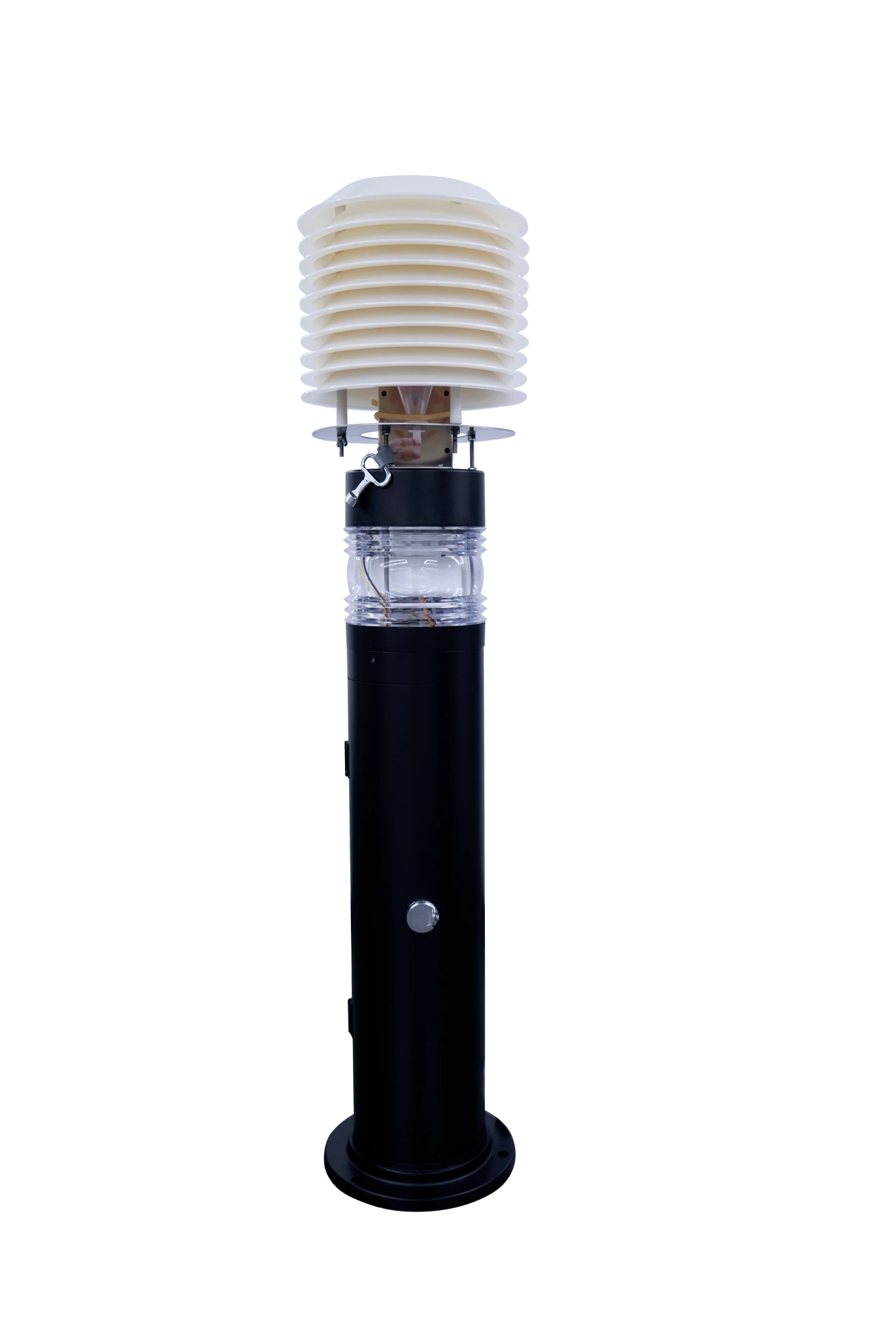
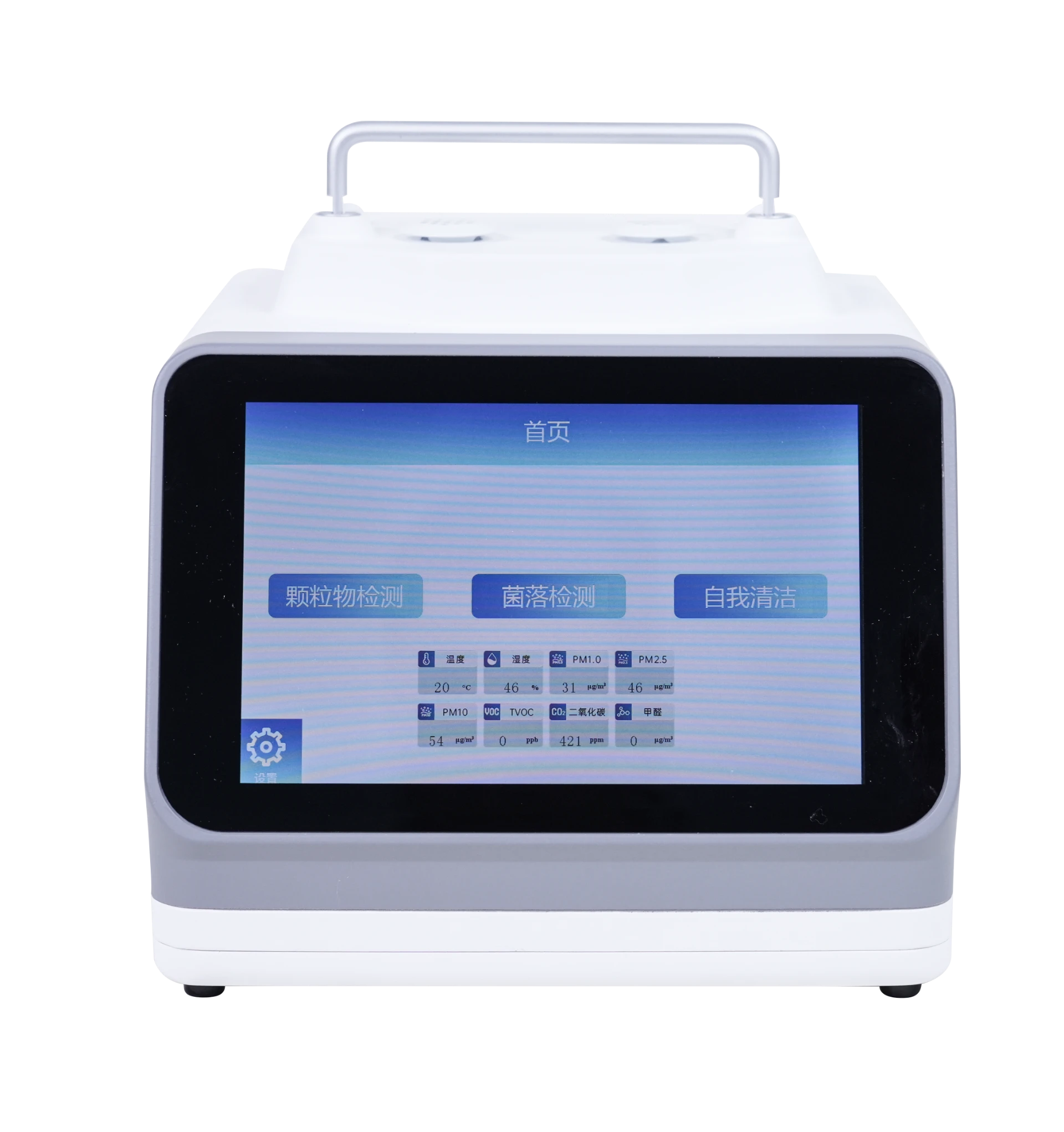
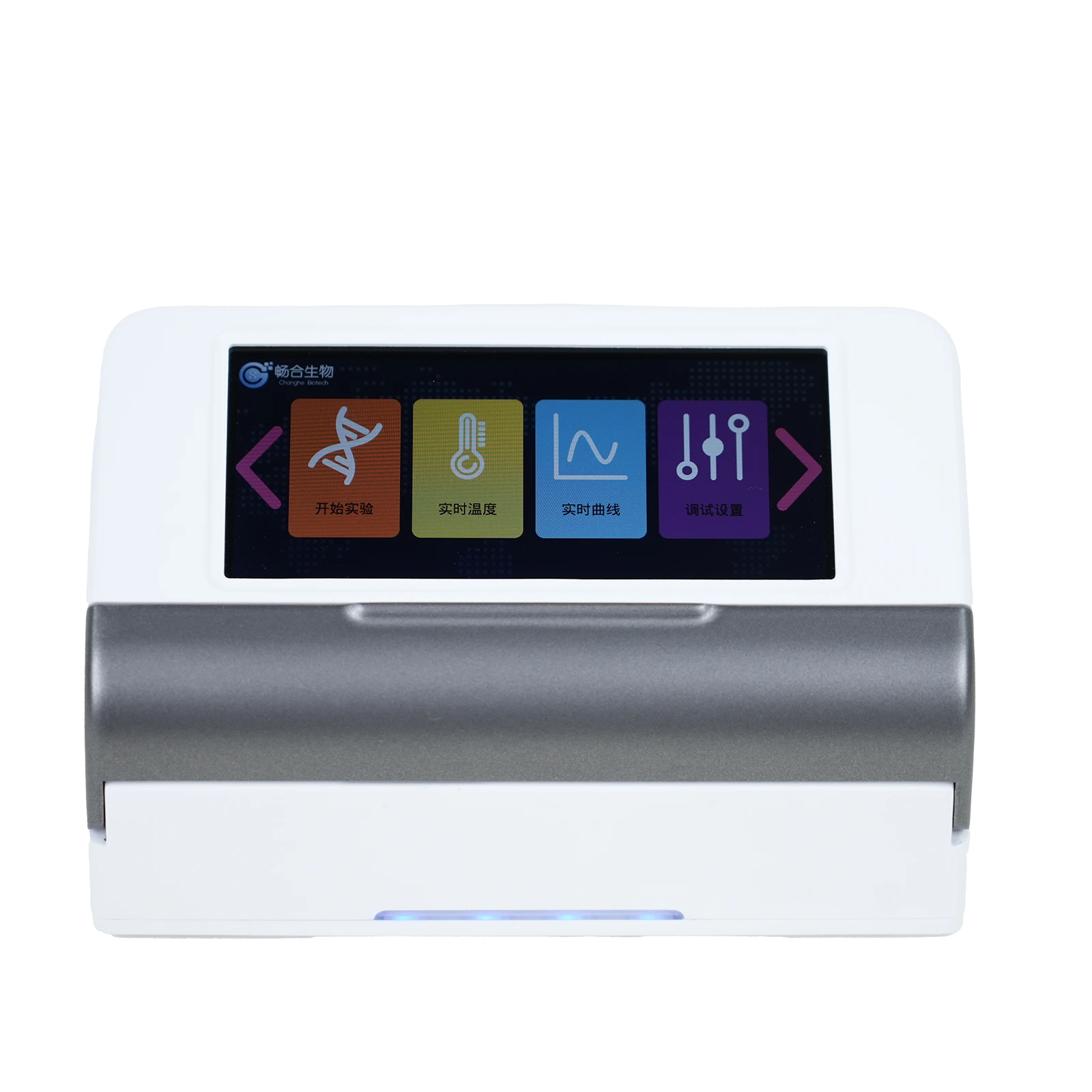
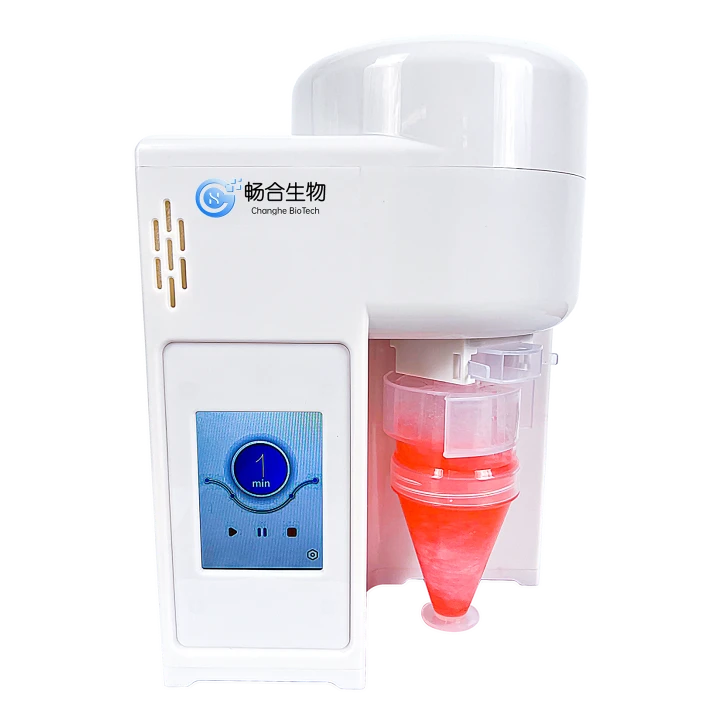
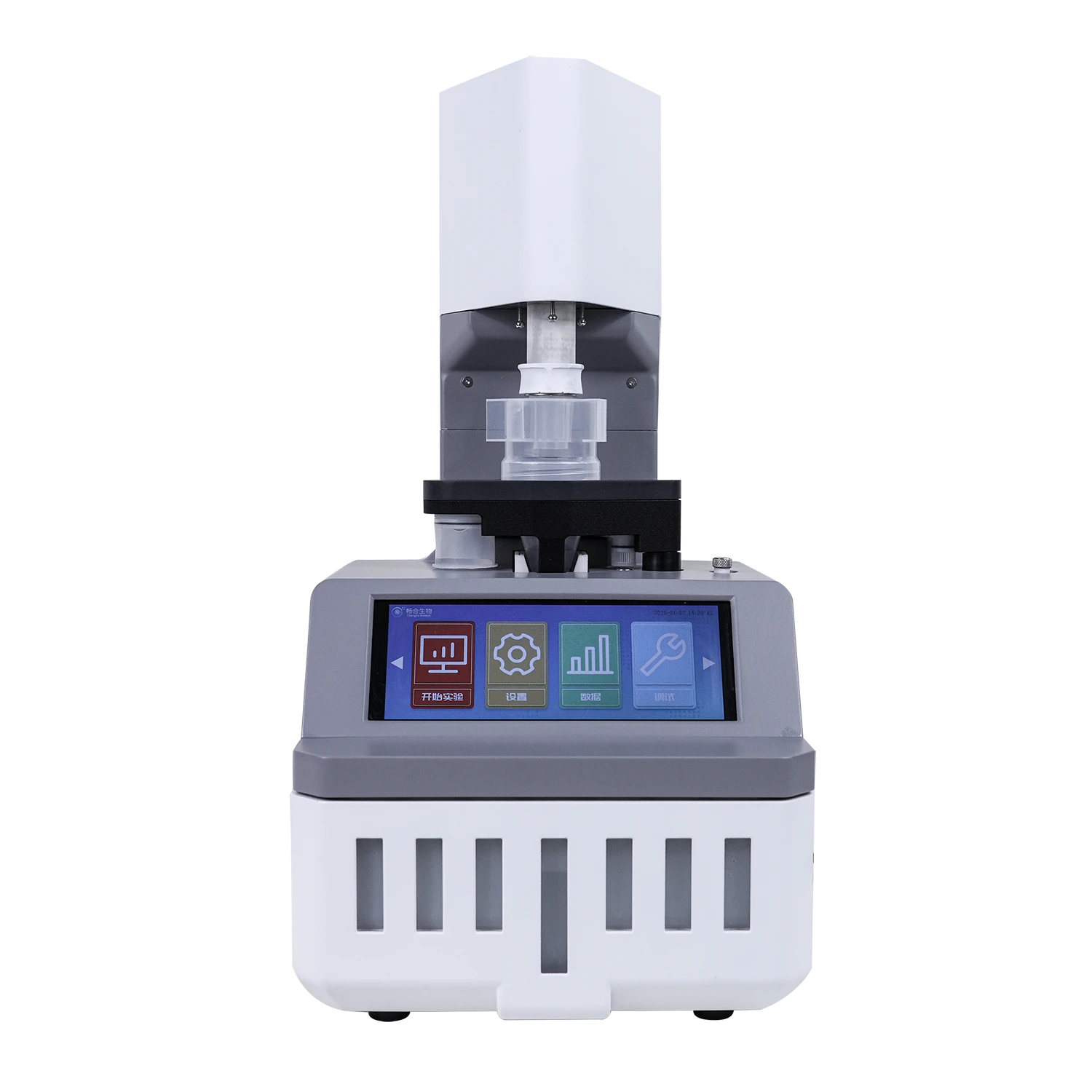
Setting up a facility for pcr testes transgênicos requires specialized hardware. From thermal cyclers that precisely control temperature shifts to centrifuges for DNA extraction, each piece of equipment plays a vital role. The following table outlines the typical specifications required for a standard GMO detection setup:
Conclusion: The Future of GMO Detection
The implementation of pcr testes transgênicos is more than just a laboratory requirement; it is a pillar of agricultural integrity and consumer trust. As genetic engineering evolves with tools like CRISPR, the precision of PCR testing must also advance to identify new types of genomic edits. By investing in high-quality testing protocols and advanced equipment, stakeholders in the agricultural sector can ensure compliance, protect the environment, and guarantee the quality of the food arriving on tables worldwide.
Frequently Asked Questions (FAQs)
What is the difference between qualitative and quantitative PCR for transgenic tests?
Qualitative PCR is a "yes or no" test. It tells you whether a specific transgenic sequence is present in the sample, regardless of the amount. Quantitative PCR (qPCR), on the other hand, measures the amount of the target DNA sequence. This is crucial for regulatory compliance, as many countries allow a very small percentage of GMO presence (e.g., 0.9%) before a product must be labeled as "transgenic." qPCR allows labs to provide a precise percentage, making it the preferred choice for official certification.
Can PCR tests detect all types of GMOs?
PCR tests can detect any GMO as long as the specific DNA sequence being targeted is known and a corresponding primer is available. Most commercial GMOs use common promoters (like 35S) or terminators (like NOS), which can be detected by "screening" PCR tests. However, for a specific event (a unique insertion point in the genome), a specialized "event-specific" PCR test is required. This ensures that the test can distinguish between different versions of transgenic crops developed by different companies.
How long does it take to get results from a transgenic PCR test?
The time frame varies depending on the laboratory's workflow. DNA extraction typically takes a few hours. The actual PCR amplification process usually takes between 1 to 3 hours. If electrophoresis is used for verification, that adds another hour. In a professional setting, results are usually delivered within 24 to 72 hours. However, with high-throughput automated systems, some labs can process hundreds of samples per day, significantly speeding up the turnaround time for large agricultural shipments.
Is PCR testing expensive for small farmers?
The initial setup cost for PCR equipment is high, which makes it difficult for small farmers to perform tests on-site. However, most farmers use third-party accredited laboratories. The cost per sample is relatively affordable when compared to the risk of having a whole harvest rejected by a buyer. Many cooperatives also provide shared testing services to help small-scale producers verify their non-GMO status, ensuring they can access premium markets that demand organic or non-transgenic certification.
-
Understanding Febre do Cão PCR for Precision Veterinary DiagnosticsNewsApr.09,2026
-
Understanding Respiração PCR and Grupo Cat for Advanced Bioaerosol Sampling TechniquesNewsApr.07,2026
-
IDEXX Feline Respiratory PCR Panel A Comprehensive Guide for VeterinariansNewsApr.04,2026
-
Understanding Grupo de Gatos URD PCR and Bioaerosol Sampling for Air Quality ControlNewsMar.28,2026
-
Understanding the Feline Respiratory PCR Panel Grupo de PCR Respiratório do GatoNewsMar.26,2026