Leading Real Time PCR Machine Manufacturer for Pathogen Monitoring
Effective environmental pathogen monitoring requires a seamless transition from air sampling to nucleic acid amplification. For laboratories and field researchers, the challenge lies in capturing low-concentration airborne microorganisms and detecting them with high specificity. This process is critical in sectors ranging from animal husbandry to pharmaceutical manufacturing, where the presence of bioaerosols can signal contamination or disease outbreaks. By integrating high-volume sampling technologies with rapid molecular diagnostics, operators can achieve real-time insights into air quality and biosafety.
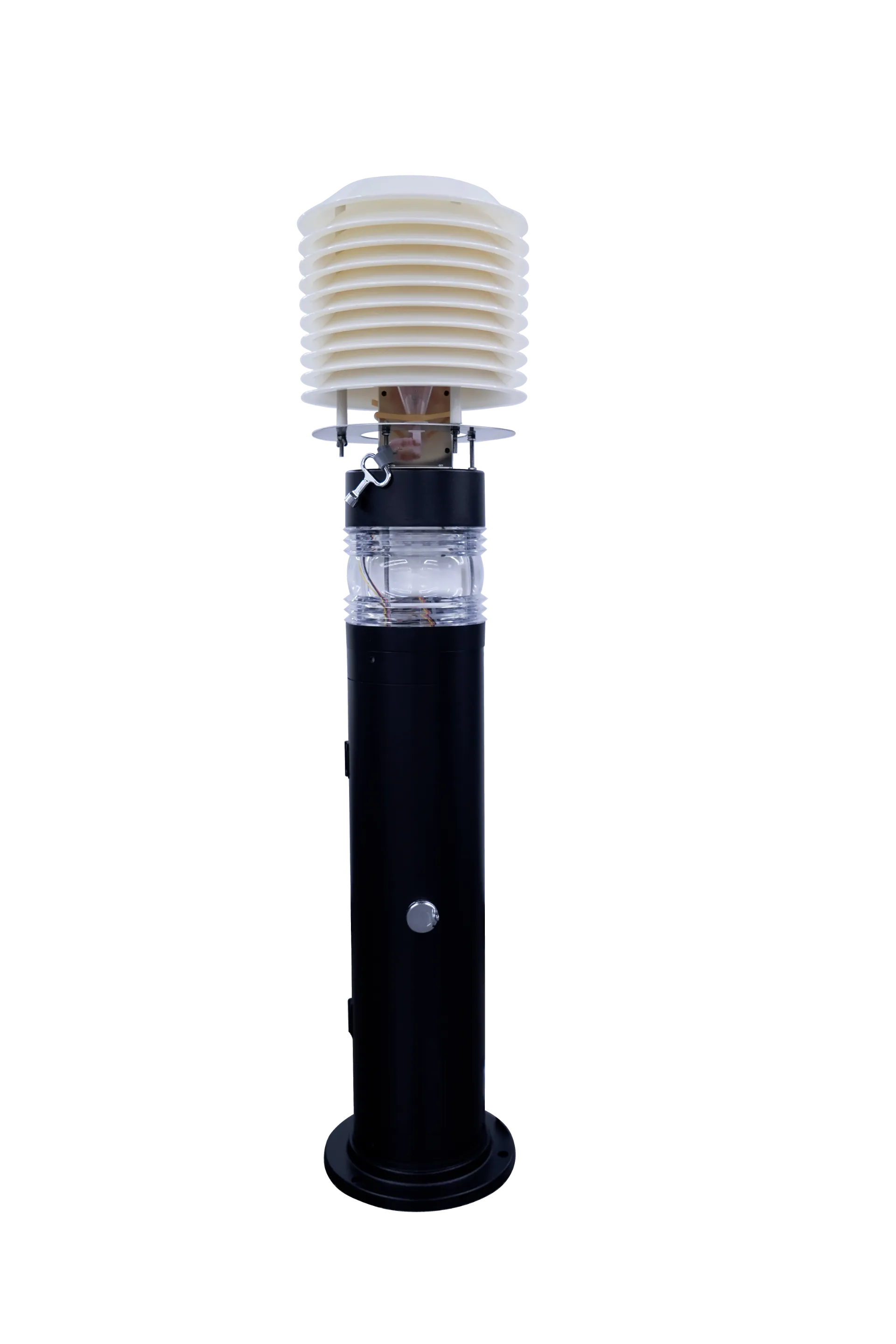
Changhe Biotech addresses these needs by providing integrated solutions that combine advanced bioaerosol samplers, such as the LCA-1-300, with portable Mini PCR testing equipment. This synergy allows for on-site rapid testing, reducing the time between sample collection and result analysis. Whether monitoring for swine flu in livestock facilities or viral aerosols in public venues, the objective is to provide a reliable, automated workflow that ensures environmental safety through precise molecular detection.

Advanced Wet-Cyclone Technology for High-Efficiency Pathogen Capture
The foundation of accurate molecular detection is the quality of the initial sample. The LCA-1-300 utilizes wet-cyclone technology (impact method), which is specifically designed to efficiently capture pathogens from ambient air. Unlike dry filtration, which can lead to sample desiccation or clogging, the wet-cyclone approach ensures that airborne microorganisms are collected in a liquid medium, preserving their biological integrity for subsequent PCR analysis.
This system is engineered for versatility and endurance. Key technical capabilities include:
- Continuous Operation: The device can operate without interruption for up to 48 hours, providing a comprehensive temporal map of bioaerosol concentration.
- Adjustable Air Flow: With flow rates ranging from 150L/min to 300L/min, users can balance between high-volume throughput and specific sampling durations.
- Particle Size Specificity: The system effectively collects particles ≥0.8μm, covering the majority of bacterial and viral aerosol carriers.
- Environmental Resilience: Designed for field use, the equipment is built to withstand wind and rain, making it suitable for outdoor livestock monitoring or industrial site inspections.
By automating the sampling process with a "one-click" run, the system minimizes human error and reduces the labor intensive nature of environmental monitoring, allowing researchers to focus on data interpretation rather than manual operation.

Integrating On-Site Mini PCR for Rapid Pathogen Identification
Once bioaerosols are captured via the sampler, the critical next step is rapid identification. The transition to a portable Mini PCR system transforms the diagnostic workflow from a "collect-and-transport" model to a "collect-and-test" model. This is particularly vital for Point-of-Care Testing (POCT) in livestock and pet health, where immediate results can prevent the spread of infectious diseases.
The effectiveness of this integrated approach is rooted in several operational advantages:
- Reduced Turnaround Time: Eliminating the need to transport samples to a centralized laboratory prevents degradation of nucleic acids and provides immediate actionable data.
- High Sensitivity: By utilizing high-volume sampling (LCA-1-300) and precise amplification, the system can detect low concentrations of airborne microorganisms that might be missed by standard swabs.
- Application Versatility: The system is tailored for diverse targets, including swine flu in farms, viral aerosol detection in hospitals, and mold/fungus inspection in office environments.
Changhe Biotech focuses on providing the complete chain—from the sampler and extraction machines to the specific nucleic acid detection reagents. This holistic approach ensures that the reagents are optimized for the samples collected by the wet-cyclone hardware, maximizing the specificity of the final PCR result.
Critical Applications Across Industrial and Clinical Environments
The deployment of continuous bioaerosol monitoring is essential in environments where air quality directly impacts health or product safety. In animal husbandry, the ability to detect pathogens like swine flu in the air allows for early quarantine measures, protecting entire herds from catastrophic losses. Similarly, in pharmaceutical manufacturing, maintaining sterile air is a regulatory requirement; continuous sampling provides a documented record of compliance and prevents batch contamination.
Beyond industrial use, the system serves critical public health functions in various venues:
- Healthcare Facilities: Hospitals use these devices to monitor for healthcare-associated infections (HAIs) and viral loads in waiting areas or wards.
- Public Infrastructure: Rail transit, shopping malls, and stadiums employ high-volume sampling to assess the risk of airborne transmission in densely populated spaces.
- Educational Institutions: Classrooms can be monitored to ensure a healthy learning environment, particularly during seasonal flu outbreaks.
The flexibility of the power supply—supporting both 24V adapters for continuous operation and battery options for mobile use—allows the equipment to be deployed in remote field sites or integrated into permanent building management systems.
Technical Specifications and Operational Parameters of LCA-1-300
| Parameter | Specification / Value | Operational Range | Technical Note |
|---|---|---|---|
| Air Flow Rate | 150L/min - 300L/min | Low to High Settings | Adjustable for sensitivity |
| Sampling Technique | Wet-cyclone (Impact) | Continuous / Passive | Preserves pathogen integrity |
| Particle Size | ≥0.8μm | Standardized | Captures most bioaerosols |
| Operation Time | Up to 48 Hours | Continuous 24/7 | Automated data logging |
| Power Input | 24V 3A | 4℃ to 60℃ Ambient | Suitable for field deployment |
Evaluating Supplier Capabilities for Molecular Diagnostic Equipment
When selecting a partner for bioaerosol monitoring, buyers must look beyond basic hardware specifications and evaluate the manufacturer's R&D infrastructure. A reliable partner should offer an integrated ecosystem. Changhe Biotech, for instance, maintains a production and R&D area exceeding 2,000 square meters in Shanghai, encompassing dedicated zones for device production, reagent development, and quality inspection.
Key evaluation criteria for procurement managers include:
- Integrated Solution Capability: Can the manufacturer provide the sampler, the extraction machine, and the reagents? Integrated systems reduce compatibility risks.
- R&D Specialization: A focus on environmental biosafety and POCT for livestock indicates the manufacturer understands the specific challenges of field-based molecular testing.
- Compliance and Standards: Ensure the equipment meets international standards such as ISO and CE to guarantee safety and consistency across different regulatory markets.
- Technical Support: The availability of professional research project teams to tailor solutions to specific customer needs is a critical differentiator in B2B medical equipment procurement.
By prioritizing manufacturers who possess both hardware engineering and biochemical expertise, organizations can ensure that their biosafety monitoring is not just a collection of tools, but a validated diagnostic workflow.
Future Trends in On-Site Bioaerosol Detection and Monitoring
The trajectory of environmental biosafety is moving toward greater automation and real-time connectivity. The integration of cloud-based data logging allows facility managers to monitor air quality across multiple sites from a single dashboard, triggering alarms the moment airborne contamination exceeds acceptable thresholds. This transition from periodic sampling to active, real-time surveillance is redefining how we handle pandemic prevention and industrial hygiene.
Furthermore, the evolution of "cheap" yet reliable PCR machines is democratizing molecular diagnostics. By making accessible molecular tools available for on-site use, the barrier to entry for high-precision testing is lowered. We anticipate a shift where every large-scale livestock facility or pharmaceutical plant will have a permanent, automated sampling-to-PCR pipeline installed.
Ultimately, the goal is to move toward fully autonomous systems that can sample, extract, amplify, and report results without human intervention. This will significantly increase the speed of response to biological threats, shifting the paradigm from reactive treatment to proactive prevention in global biosafety management.
Frequently Asked Questions About Bioaerosol Sampling and PCR Testing
What is the advantage of wet-cyclone sampling over filter-based sampling?
Wet-cyclone sampling collects particles into a liquid medium, which prevents the sample from drying out and preserves the biological activity of the microorganisms. This makes it far more suitable for subsequent nucleic acid extraction and PCR amplification compared to dry filters.
Can the LCA-1-300 be used in outdoor environments?
Yes, the device is designed for field applications and is adaptable to long-term sampling in various weather conditions, including wind and rain, making it ideal for livestock farms and open-air exhibition venues.
How does a portable Mini PCR system improve on-site diagnostics?
It eliminates the need to transport samples to a distant lab, which reduces the risk of sample contamination or degradation and provides results in a fraction of the time, enabling immediate corrective actions.
What are the typical applications for bioaerosol monitoring in the food industry?
In food manufacturing, these systems are used to detect airborne pathogens that could contaminate production lines, ensuring compliance with food safety standards and preventing large-scale product recalls.
Is it possible to automate the sampling process?
Yes, the LCA-1-300 features one-click automatic operation and can be set for predetermined sampling times and flow values, significantly reducing manual labor.
What should I consider when choosing a real time pcr machine manufacturer?
You should evaluate their ability to provide an end-to-end solution (sampler, extraction, and reagents), their R&D capabilities in environmental biosafety, and their track record in providing professional project support for specific industry needs.
Technical References and Industry Resources
- World Health Organization - Biosafety Guidelines
- PubMed - Research on Airborne Pathogen Detection
- ISO Standards for Environmental Monitoring
- CDC - Guidelines for Environmental Sampling
For organizations seeking to implement a robust environmental pathogen monitoring system, the combination of continuous high-volume sampling and portable molecular diagnostics offers the most reliable path to biosafety. Contact our technical team today to discuss a customized integrated solution for your specific facility requirements.
Related Industry Insights