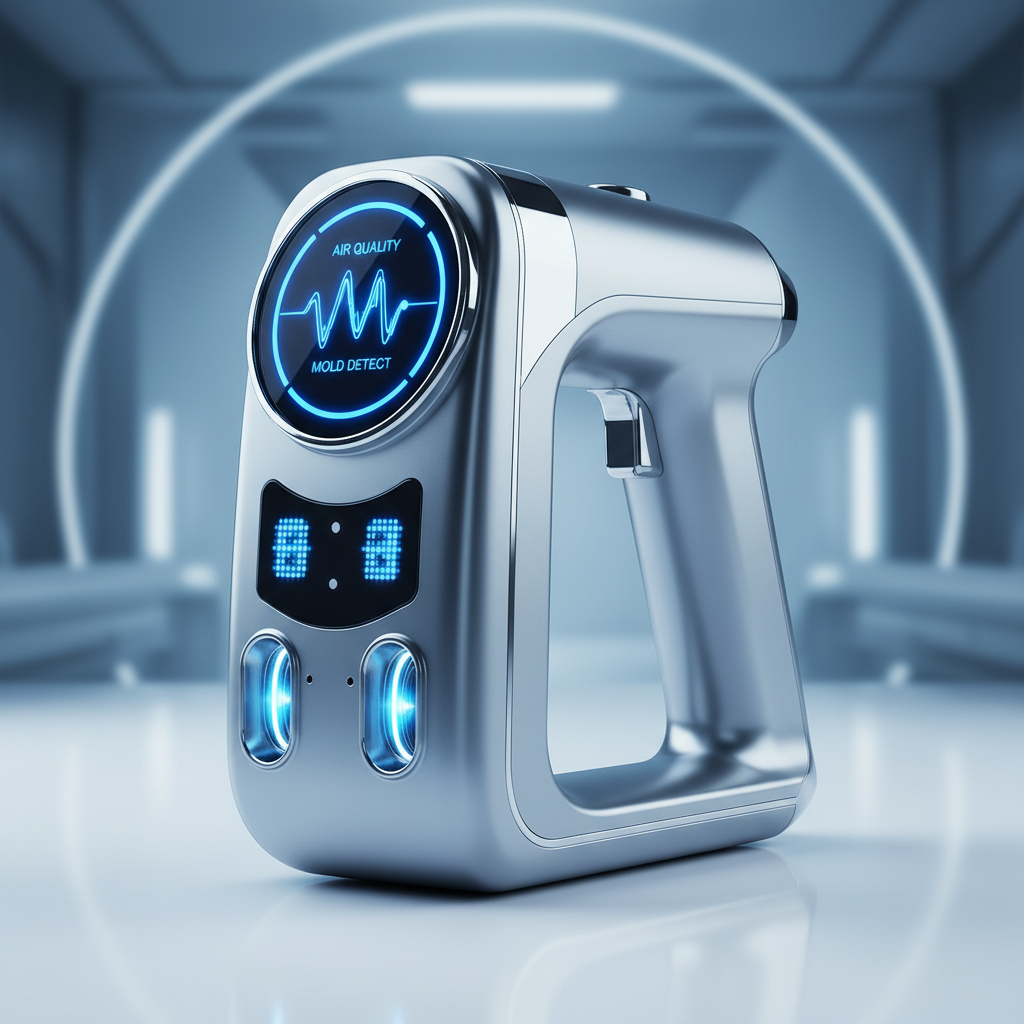
When healthcare facilities and laboratories evaluate a pcr machine for covid price, the primary challenge is balancing diagnostic sensitivity with the total cost of ownership. The shift toward point-of-care testing (POCT) has redefined how institutions allocate budgets, moving away from centralized high-throughput systems toward agile, decentralized solutions.
The financial landscape for molecular diagnostic equipment is no longer just about the initial purchase price. It now encompasses reagent costs, maintenance cycles, and the operational efficiency of personnel. For many, the emergence of Mini PCR technology has provided a viable pathway to maintain high standards of biosafety without the prohibitive overhead of traditional laboratory setups.
Understanding the variables that drive pricing—such as throughput capacity, automation levels, and portability—is essential for making an informed procurement decision. This analysis explores the intersection of cost and performance in modern PCR systems, specifically tailored for respiratory pathogen detection.

Analyzing the Cost Structure of Molecular Diagnostic Systems

The cost of a PCR system is rarely a static figure; it is a composite of hardware engineering, software licensing, and consumables. In the context of COVID-19 and other airborne pathogens, the market has split into two distinct tiers: high-capacity centralized analyzers and portable Mini PCR units designed for immediate results.
Centralized systems often carry a high entry price due to their robotics and high-throughput capabilities, which lower the cost per test at massive scales. Conversely, portable devices prioritize rapid turnaround and ease of deployment, making them more attractive for clinics, airports, and pharmaceutical clean rooms where immediate confirmation is required to maintain operational uptime.
For organizations focusing on environmental biosafety, the integration of sampling and detection—such as combining bioaerosol monitoring with rapid PCR verification—creates a more comprehensive value proposition than purchasing isolated diagnostic components.
Technical Drivers of PCR Equipment Pricing and Value
Pricing is heavily influenced by the thermal cycling technology used. High-precision Peltier elements and rapid-ramp heating systems allow for shorter cycle times, which increases the throughput of a machine and justifies a higher price point. The degree of automation—ranging from manual tube loading to fully integrated sample-to-result cartridges—also shifts the cost profile.
Sensitivity and specificity are the non-negotiable technical benchmarks. Equipment that can detect trace amounts of genetic material without producing false positives requires higher-grade optical sensors and more sophisticated noise-reduction algorithms, contributing to the overall cost of the instrument.
Furthermore, the flexibility of the system to handle multiple targets (multiplexing) adds significant value. A machine capable of differentiating between COVID-19, influenza, and other respiratory viruses in a single run reduces the total number of tests required, effectively lowering the long-term operational cost.
Deploying PCR Solutions Across Diverse Operational Environments
The application of PCR technology extends far beyond clinical hospitals. In pharmaceutical manufacturing, for instance, the use of portable Mini PCR systems is critical for ensuring clean room standards and preventing contamination of biological products. The ability to perform on-site testing prevents the delay associated with shipping samples to an external lab.
Public health surveillance in transportation hubs, such as airports or rail transit systems, requires equipment that can be integrated with bioaerosol samplers. By detecting biological particles in the air and verifying them via rapid PCR, authorities can monitor for airborne threats in real-time, shifting from a reactive to a proactive biosafety posture.
Agricultural and veterinary settings also benefit from decentralized PCR. Testing for swine flu or other livestock pathogens on-site allows for immediate quarantine measures, protecting the broader food supply chain and reducing economic losses associated with widespread outbreaks.
Evaluating Performance Benchmarks for Rapid Pathogen Detection
When comparing diagnostic hardware, the "cost-per-accuracy" ratio is the most critical metric. High-end systems provide maximum sensitivity but require significant infrastructure, whereas Mini PCR systems provide "good enough" sensitivity for rapid screening with drastically lower footprints.
The following data represents a conceptual comparison of operational efficiency. We examine the reduction in testing latency and the increase in site-specific deployment capability when transitioning from traditional lab-based PCR to an integrated, portable approach.
pcr machine for covid price Performance Metrics
As the chart indicates, while traditional systems may excel in absolute volume, the agile approach significantly outperforms in terms of response speed and deployment flexibility, which are the primary drivers for those seeking affordable, rapid-response solutions.
Critical Procurement Factors for Laboratory Budget Management
Procurement teams often make the mistake of focusing solely on the unit price. A comprehensive evaluation must include the "razor-and-blade" model: the hardware may be affordable, but the proprietary reagents can create a long-term financial burden. Open-system PCR machines that allow for third-party reagents typically offer a lower total cost of ownership.
Another critical factor is the maintenance requirement. Systems with fewer moving parts and simplified optical paths, such as the Mini PCR designs, typically require less frequent calibration and have lower downtime, which is essential for 24/7 monitoring environments.
Training and personnel costs should also be factored in. An intuitive graphical user interface (GUI) reduces the need for highly specialized PhD-level operators, allowing trained technicians to manage the workflow, thereby reducing labor expenses.
Future Trajectories in Portable Diagnostic Technology
The trajectory of the diagnostic market is moving toward "lab-on-a-chip" integration. We are likely to see a convergence where bioaerosol sampling and PCR amplification happen within a single, automated device, removing the need for manual sample extraction and reducing the risk of human error.
AI-driven analysis of amplification curves could potentially allow for even faster result interpretation, identifying positive samples earlier in the cycle. This would further reduce the power consumption and time required for each run, making portable devices even more efficient for field use.
Additionally, the development of more stable reagents that do not require a strict cold chain could revolutionize deployment in remote areas or developing regions, expanding the accessibility of high-precision molecular diagnostics.
Comparative Guide for Selecting the Right PCR Hardware
Choosing between different PCR configurations depends entirely on the specific use case. A hospital pathology lab has different requirements than a pharmaceutical clean room or an environmental monitoring station. The following table provides a framework for selection based on operational priorities.
When comparing these options, consider the trade-off between absolute sensitivity and operational agility. For most on-site monitoring needs, the Mini PCR approach provides the most balanced ROI.
| System Category | Primary Use Case | Cost Driver | Key Limitation |
|---|---|---|---|
| High-Throughput | Centralized Hospitals | Robotics/Automation | High Infrastructure Need |
| Portable Mini PCR | POCT / Clean Rooms | Compact Engineering | Lower Sample Volume |
| Integrated Sampler | Environmental Monitoring | Sensor Integration | Specialized Application |
| Field-Deployable | Agricultural/Military | Ruggedization | Limited Multiplexing |
| Research Grade | Academic Laboratories | Precision Optics | Slow Turnaround Time |
| Budget-Tier PCR | Small Clinics | Simplified Hardware | Higher Manual Labor |
Ultimately, the decision should be driven by the required response time and the available technical expertise on-site. For those prioritizing rapid detection and portability, exploring solutions via www.bioaerosolsampler.com can provide insights into integrated monitoring and Mini PCR capabilities.
Frequently Asked Questions
Conclusion
Selecting the right molecular diagnostic tool requires a strategic shift from viewing the pcr machine for covid price as a one-time capital expense to analyzing it as a component of an operational biosafety strategy. The rise of Mini PCR and integrated bioaerosol monitoring represents a move toward greater agility, allowing facilities to detect and respond to pathogens in real-time.
Whether deploying in a healthcare setting, a pharmaceutical plant, or a public transit hub, the goal is to minimize the interval between exposure and detection. For those seeking to implement these technologies, reviewing the specialized equipment available at www.bioaerosolsampler.com can help align technical capabilities with budgetary requirements.