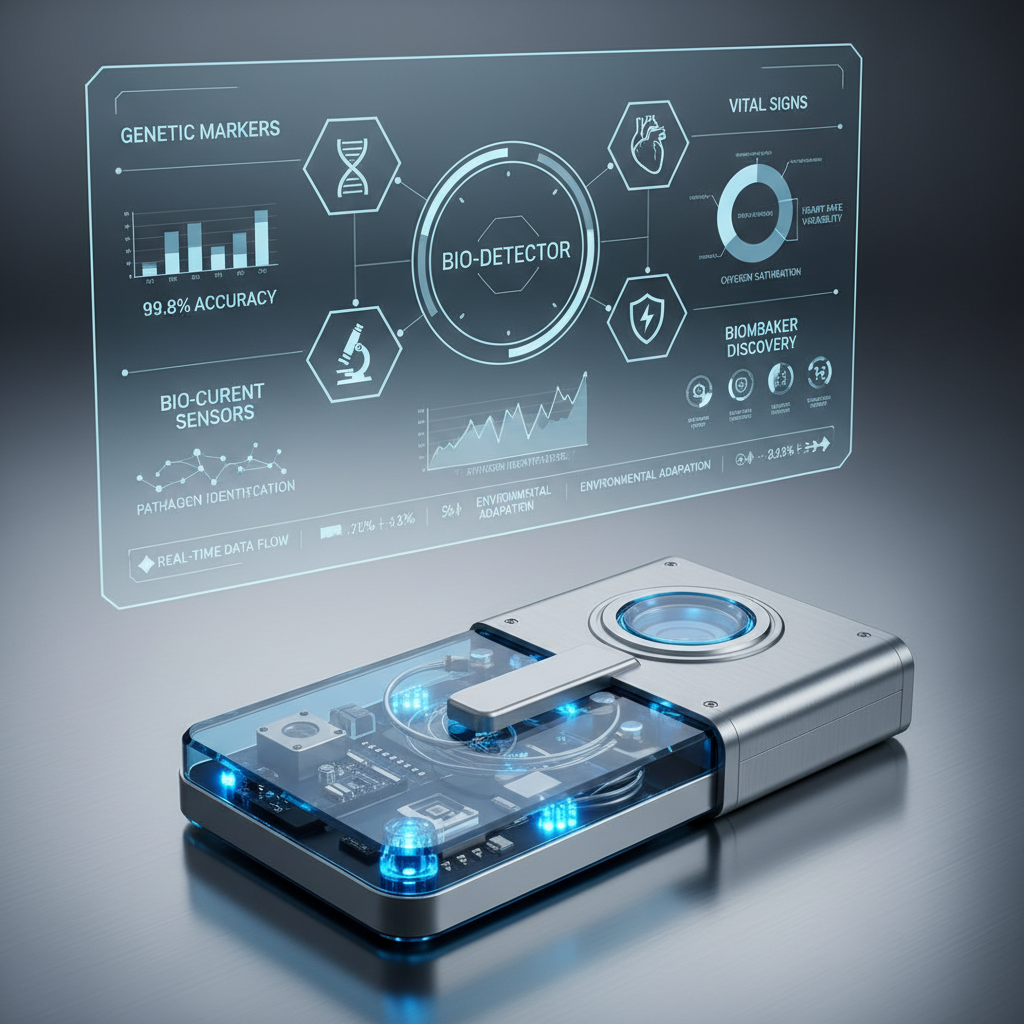
Finding a cheap pcr machine that balances affordability with diagnostic precision is a critical challenge for modern laboratories, veterinary clinics, and environmental monitoring stations. In the field of medical instrument manufacturing, specifically within diagnostic and monitoring equipment, the shift toward miniaturization has made high-sensitivity molecular detection accessible outside of centralized hospitals.
The primary hurdle for many procurement managers is the trade-off between initial capital expenditure and long-term operational reliability. Whether the goal is detecting airborne pathogens in a pharmaceutical clean room or performing rapid nucleic acid testing for swine flu in a farm setting, the demand for portable, cost-effective PCR solutions has surged to support point-of-care testing (POCT).
This analysis provides a practical framework for evaluating affordable PCR systems, examining how Mini PCR technology integrates with bioaerosol sampling to create comprehensive monitoring solutions, and outlining the technical criteria necessary to ensure a low-cost instrument does not compromise diagnostic accuracy.

Defining Value in Affordable PCR Systems

When searching for a cheap pcr machine, "value" should be defined by the cost-per-result rather than the sticker price of the hardware. In the context of medical diagnostic equipment manufacturing, affordable systems often achieve lower costs through the use of simplified heating blocks and integrated electronics that target specific, high-volume assays rather than universal research applications.
For organizations like Changhe Biotech, which focuses on environmental biosafety and POCT, the development of Mini PCR equipment is designed to bridge the gap between expensive laboratory infrastructure and the need for rapid, on-site nucleic acid detection. This approach allows for the deployment of testing capabilities in livestock, pets, and environmental monitoring without requiring a full-scale molecular biology lab.
Mini PCR vs. Conventional Laboratory Thermal Cyclers
The fundamental difference between a portable Mini PCR and a conventional thermal cycler lies in the balance of throughput and versatility. Conventional machines offer high-channel counts and complex gradient programming, which are essential for research but often unnecessary for targeted diagnostics. In contrast, a compact PCR system optimizes for speed and portability, making it an ideal "cheap pcr machine" for field-based applications.
From a technical standpoint, miniaturized systems reduce power consumption and footprint, allowing them to be integrated into mobile testing kits. While they may have fewer sample slots, their ability to provide rapid results at the point of sampling significantly reduces the risk of sample degradation and accelerates the response time for critical pathogen detection.
Integrating PCR with Bioaerosol Sampling Workflows
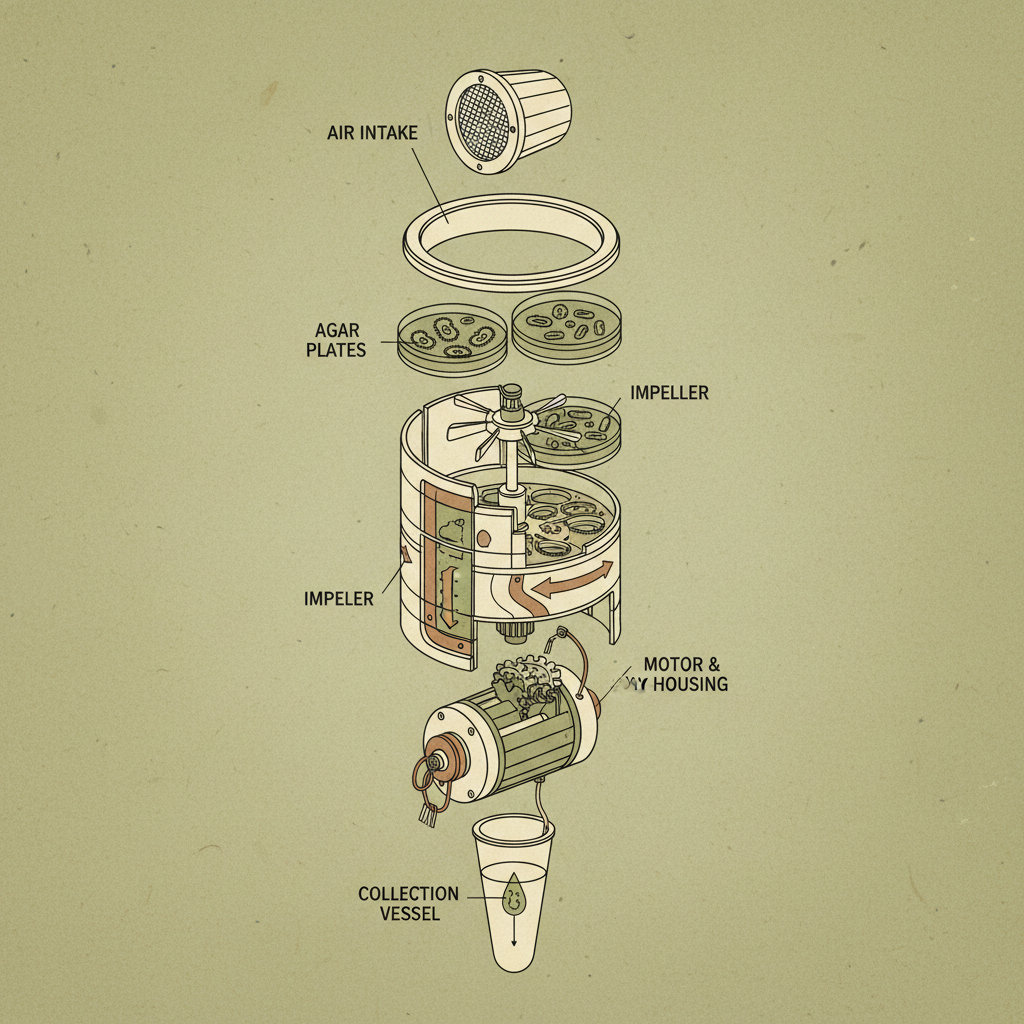
The true utility of a cheap pcr machine is maximized when it is paired with high-precision sampling hardware. For instance, utilizing a Bioaerosol Monitoring Device allows for the real-time detection of biological particles from 0.5 to 10µm, including bacteria and fungal spores. Once a suspicious bioaerosol concentration is detected via light-scattering and fluorescence, a Mini PCR can be used to confirm the specific genetic identity of the pathogen.
This integrated workflow—moving from broad bioaerosol monitoring to specific PCR verification—is essential for industries such as pharmaceutical manufacturing and healthcare. By combining a sampler that detects tryptophan and NADH fluorophores with a portable PCR unit, operators can ensure cleanroom standards are met and airborne threats are identified in minutes rather than days.
Technical Performance Metrics for Budget Instruments
Evaluating a cheap pcr machine requires a look at normalized performance scores across several key dimensions. While a budget device may not match the ramp rate of a premium machine, it must maintain thermal stability and high sensitivity to avoid false negatives. The following conceptual comparison illustrates the relative priorities when selecting a portable diagnostic unit compared to a high-end research system.
As shown in the illustrative framework, portable systems prioritize mobility and rapid deployment over high-throughput capacity. For users in the medical diagnostics and livestock testing sectors, a score of 80 in "Field Readiness" is far more valuable than a 100 in "Channel Versatility," provided the "Diagnostic Accuracy" remains within acceptable clinical limits.
Key Industry Applications for Portable PCR
The application of affordable PCR technology extends across various high-stakes environments. In agriculture, for example, the ability to perform a PCR test for swine flu on-site can prevent the spread of infection throughout a facility. Similarly, in veterinary medicine, dog PCR tests allow for immediate diagnosis of viral or bacterial infections during a clinic visit, improving patient outcomes through timely treatment.
Beyond animal health, these devices are critical for public health surveillance. In airports, transportation hubs, or shopping malls, portable PCR units can complement continuous bioaerosol samplers to screen for airborne pathogens. This dual-layer approach ensures that the high sensitivity of fluorescence detection is backed by the molecular specificity of PCR amplification.
Common Procurement Pitfalls for Low-Cost Devices
A common mistake when purchasing a cheap pcr machine is overlooking the "hidden costs" of consumables and reagents. Some low-cost hardware is designed to lock users into proprietary, expensive reagent cartridges, which can quickly erase any initial savings on the machine itself. Buyers should prioritize open-system architectures or those with transparent reagent pricing.
Another risk is the neglect of thermal uniformity. In cheaper blocks, the temperature variance between the center and edge wells can lead to inconsistent amplification, resulting in unreliable data. It is essential to verify the temperature precision of the device, especially when dealing with trace amounts of mold or bioaerosols where the target concentration is extremely low.
Decision Framework for PCR Equipment Selection
Choosing the right molecular diagnostic tool depends on the specific operational environment. Whether you are equipping a pharmaceutical clean room or a remote livestock farm, the selection should be based on a weighted analysis of throughput, mobility, and integrated capabilities. The following table provides a qualitative comparison of common approaches to molecular detection.
| Solution Type | Primary Strength | Best Use Case | Main Consideration |
|---|---|---|---|
| High-End Lab PCR | High Throughput | Centralized Research | High Capital Cost |
| Portable Mini PCR | Field Mobility | On-site Diagnostics | Limited Sample Volume |
| Integrated Sampler+PCR | End-to-End Speed | Bioaerosol Monitoring | Workflow Complexity |
| Budget POCT Device | Low Entry Cost | Basic Screening | Sensitivity Limits |
| Custom Veterinary PCR | Species Specificity | Pet/Livestock Clinics | Reagent Availability |
| Automated Extraction PCR | Reduced Human Error | Clinical Diagnostics | Maintenance Needs |
Ultimately, the decision should hinge on the required turnaround time. If the priority is immediate action—such as isolating an infected animal or clearing a contaminated room—a portable Mini PCR solution is the most logical investment.
Frequently Asked Questions
Yes, provided the system maintains strict thermal stability and the user employs high-quality reagents. For targeted assays (like specific viral detection), a Mini PCR can provide comparable accuracy to larger systems, though it may lack the flexibility for diverse research applications.
The main drivers include the heating block material, the precision of the temperature sensors, and the complexity of the user interface. Reducing these components through strategic engineering allows for a more affordable price point without sacrificing core functionality.
The sampler collects airborne biological particles (bacteria, spores, fungi) and provides an initial alert via fluorescence detection. The Mini PCR then analyzes the captured sample to identify the exact strain or species, providing a complete "detect-and-identify" workflow.
Absolutely. Portable systems are ideal for veterinary clinics to perform rapid tests for conditions like swine flu or canine viral infections, allowing for immediate clinical decisions without waiting for external lab results.
Look for suppliers with a strong R&D background in medical instrument manufacturing, evidence of successful applications in POCT, and transparent support for both hardware and the necessary nucleic acid detection reagents.
Lifespan depends on usage volume and maintenance. Most high-quality Mini PCR units are designed for thousands of cycles. Regular calibration of the thermal block is the key to extending the device's operational life.
Conclusion
Investing in a cheap pcr machine does not have to mean compromising on diagnostic integrity. By focusing on the specific needs of the application—whether it is environmental bioaerosol monitoring, livestock health, or pharmaceutical cleanroom validation—organizations can implement highly effective molecular detection strategies that are both portable and cost-efficient.
For those seeking to enhance their on-site testing capabilities, exploring integrated solutions at www.bioaerosolsampler.com can provide the necessary technical data to match a Mini PCR system with the appropriate sampling hardware for their specific industry requirements.