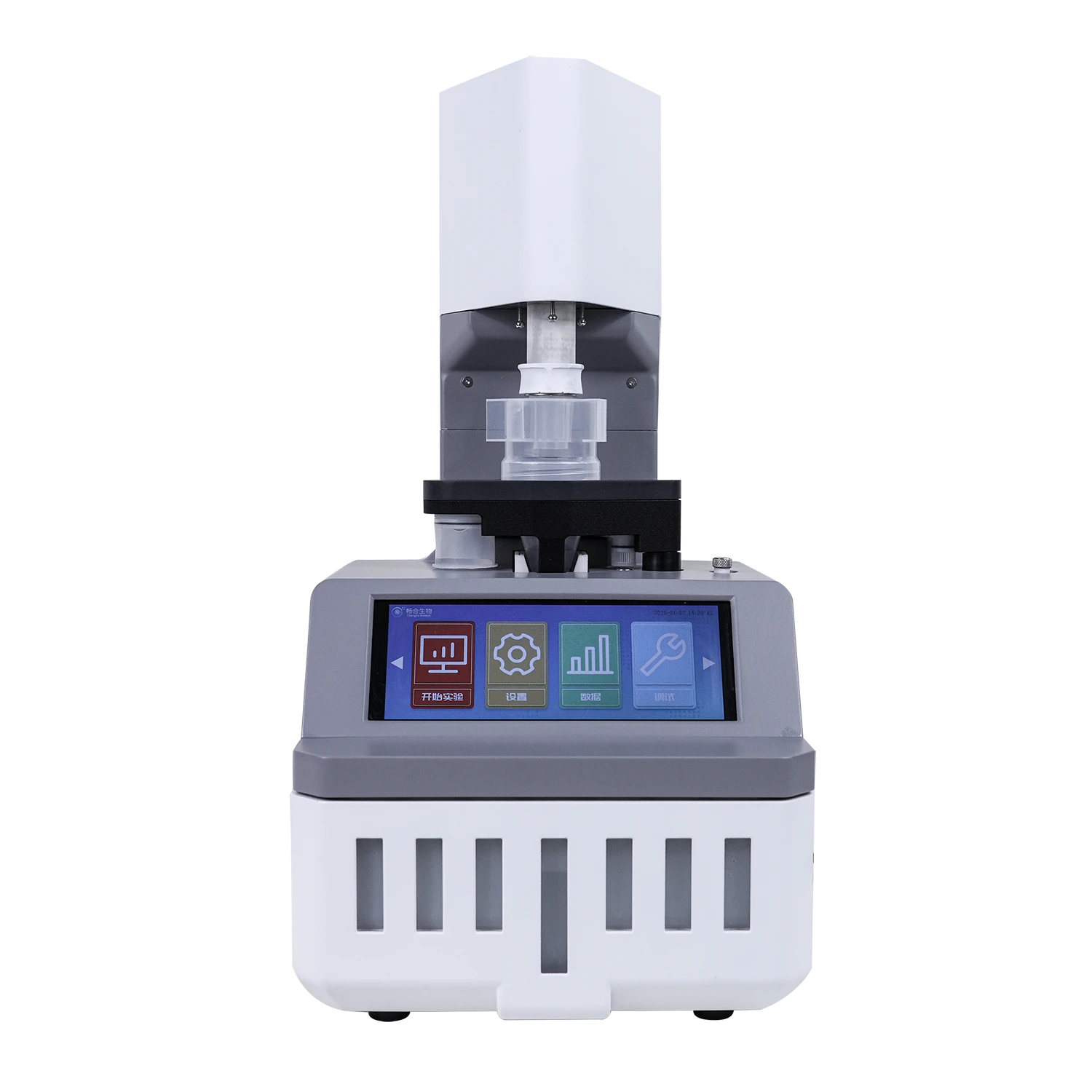

Aerosol Monitoring System Indoor Use
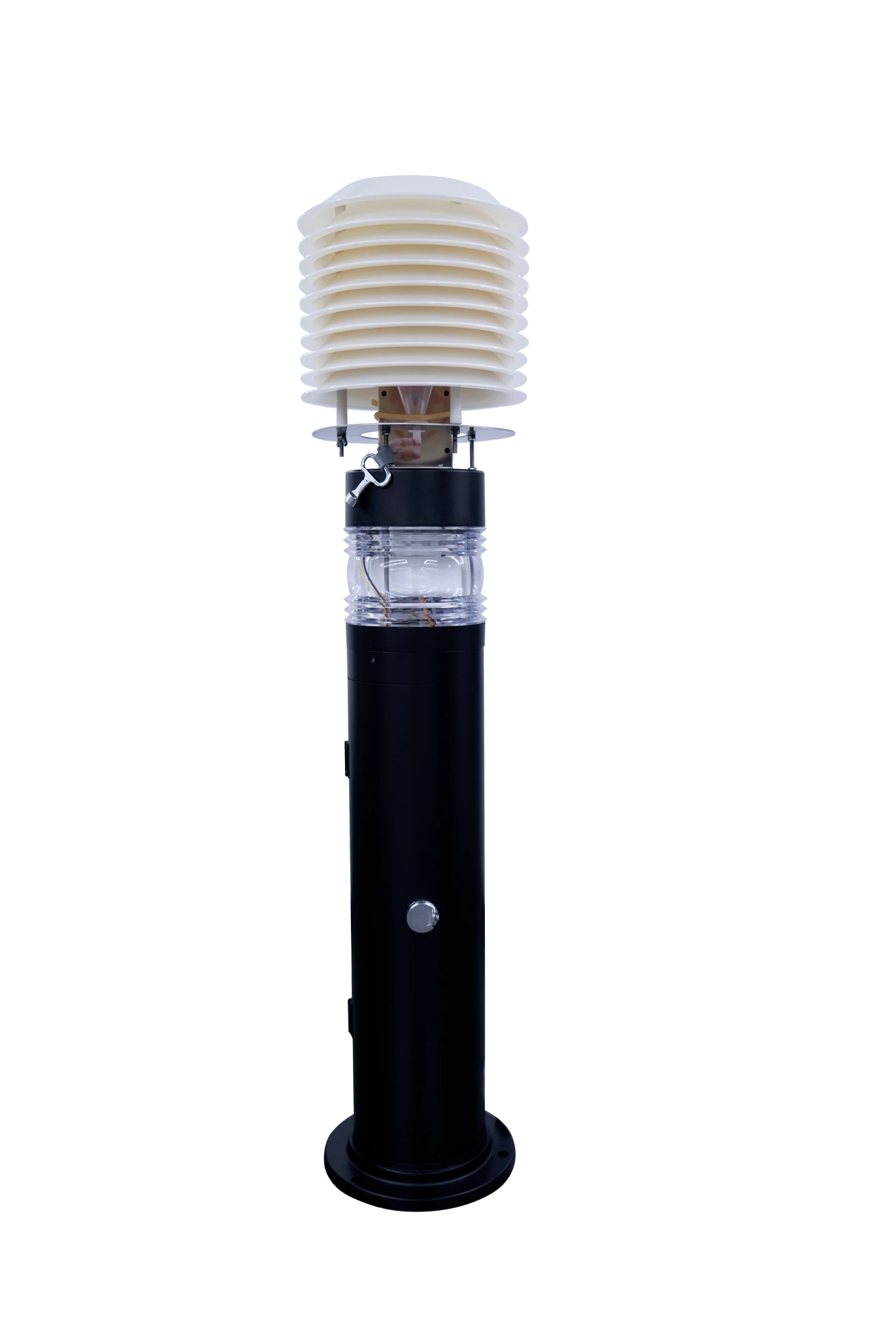
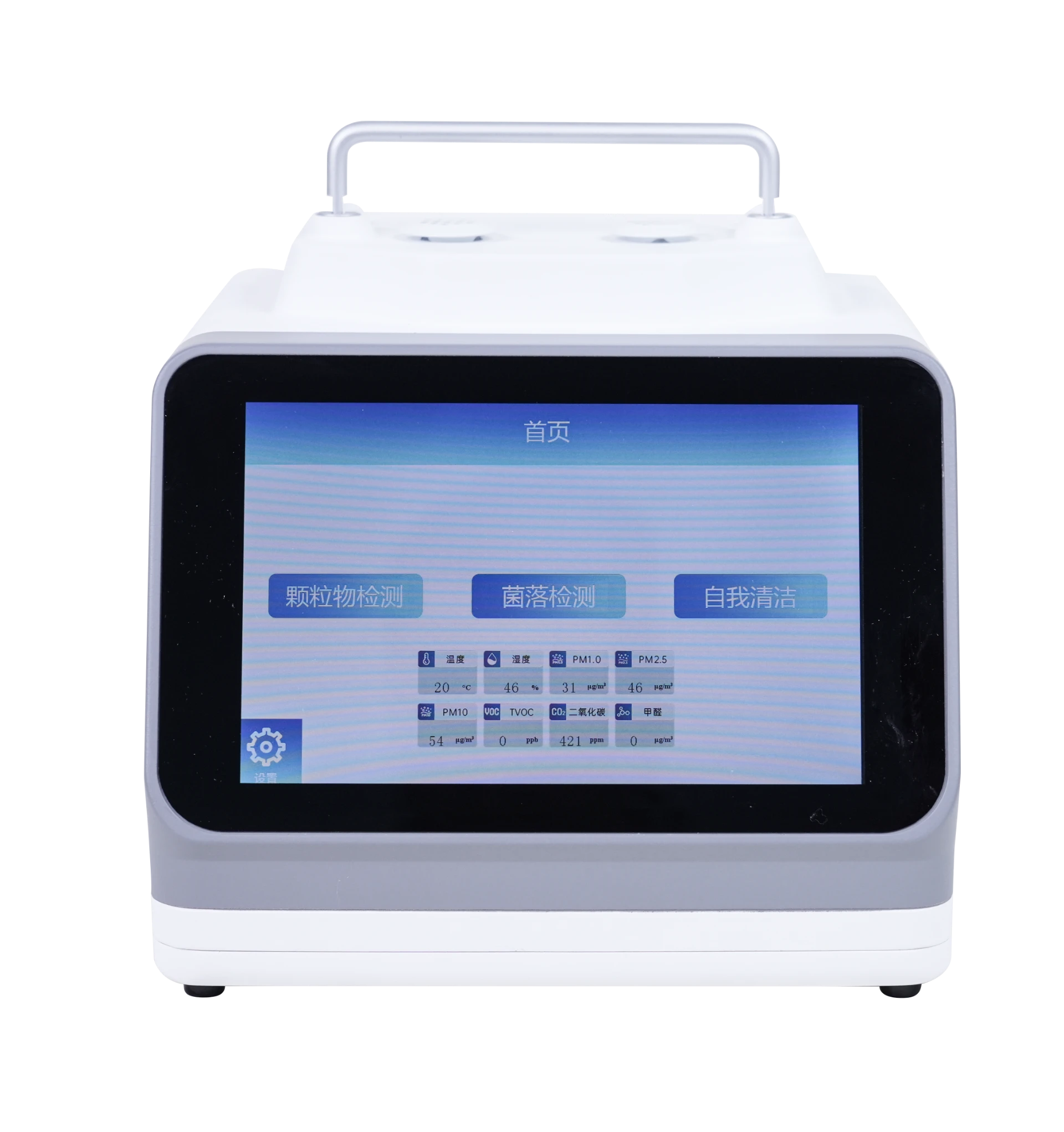
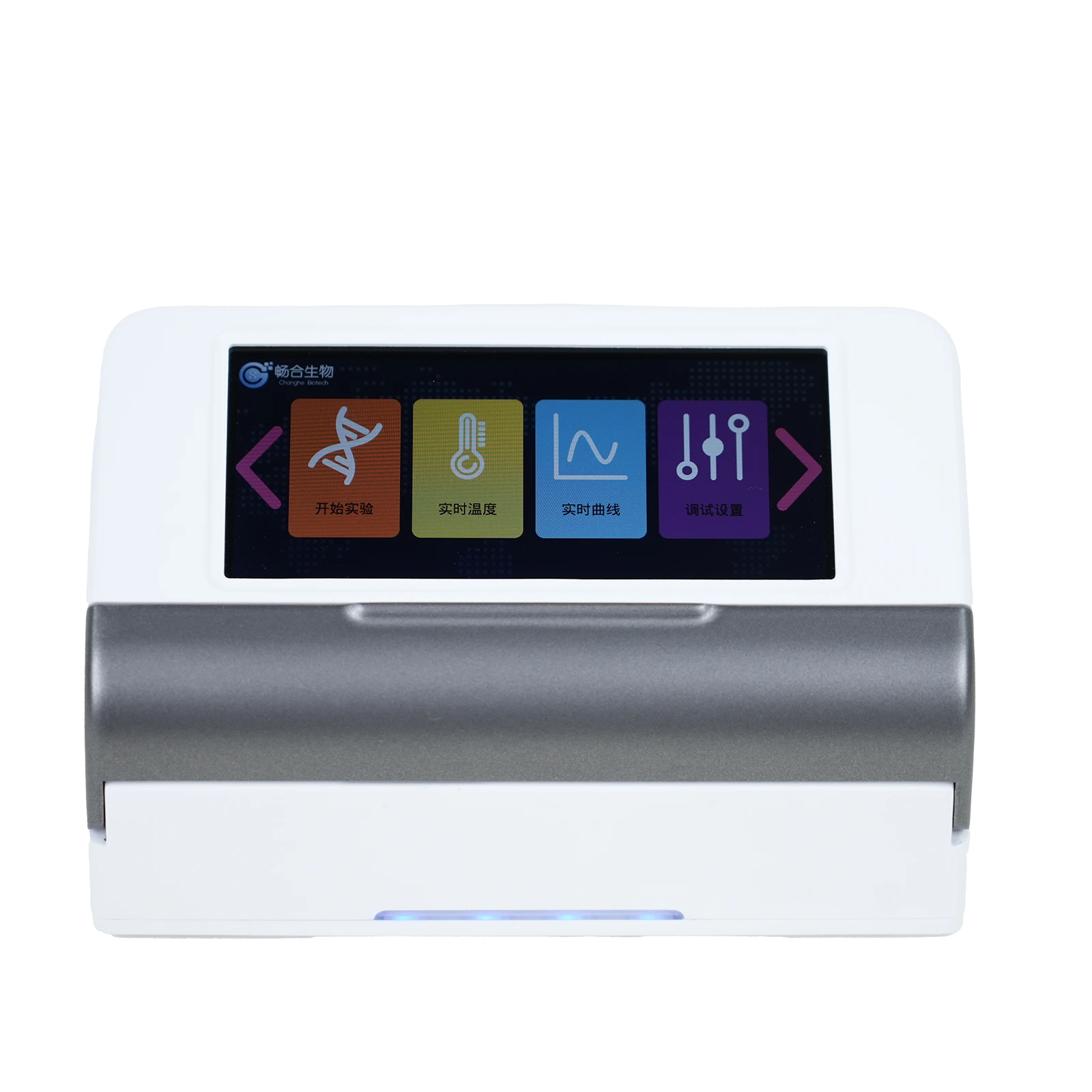
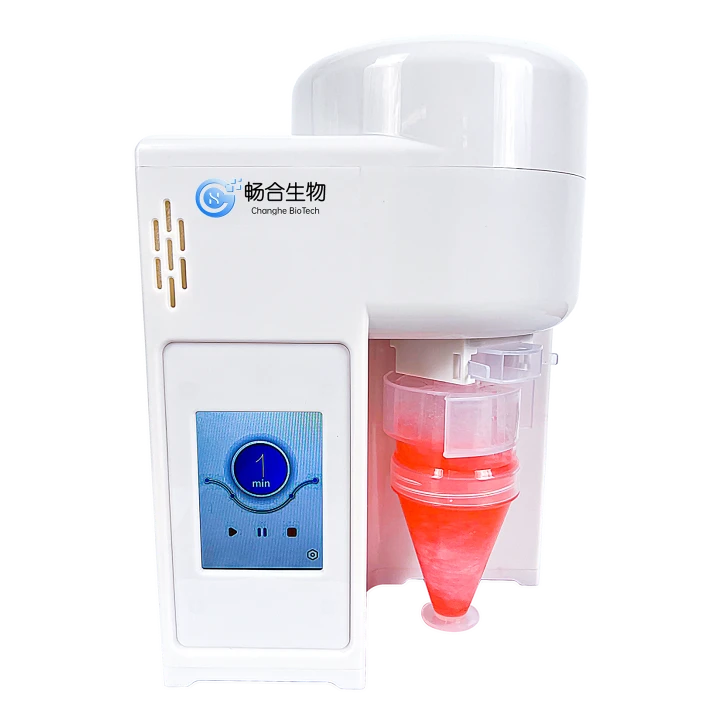
Indoor air quality—especially the presence of biological aerosols (e.g., viruses, bacteria)—directly impacts human health and lab/research integrity. An aerosol monitoring system designed for indoor use is essential for real-time detection, quantification, and analysis of these airborne particles, supporting applications from healthcare facilities to pharmaceutical labs. As a wholesaler, understanding how to match aerosol monitoring system capabilities with customer needs (e.g., viral aerosol detection, routine air quality checks) ensures they invest in solutions that deliver reliable results. SUZHOU CHANGHE BIOTECH CO., LTD, a leader in biological detection technology, offers specialized indoor aerosol monitoring system models optimized for precision—including integrated bacteria detection device components and advanced features for viral aerosol detection. This guide breaks down key considerations for indoor use, helping partners recommend the right system for every workflow.
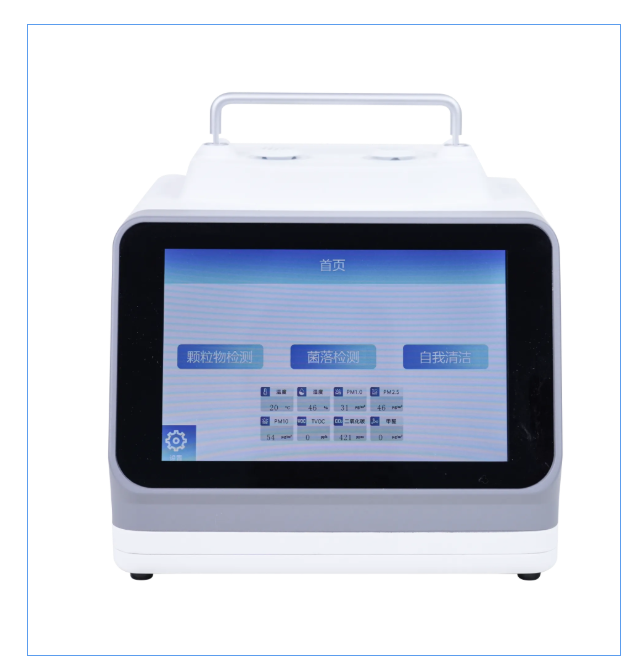
Aerosol Monitoring System Core Features for Indoor Use
Real-Time Particle Detection and Quantification
- Continuous Monitoring: SUZHOU CHANGHE BIOTECH CO., LTD’s indoor aerosol monitoring system models provide 24/7 real-time data, tracking aerosol concentrations (particles/m³) and sizes (0.3–10 μm) via laser-based sensors. This ensures immediate alerts for sudden spikes—critical for environments like hospitals, where viral aerosol detection (e.g., influenza, COVID-19) can prevent cross-contamination.
- Data Visualization: The systems include intuitive touchscreens and cloud-based software that display trends, allowing users to identify patterns (e.g., increased bacteria levels during peak lab hours). This data integrates seamlessly with facility management tools to streamline indoor air quality protocols.
Integrated viral aerosol detection and bacteria detection device Capabilities
- Viral Targeting: Specialized modules in SUZHOU CHANGHE BIOTECH CO., LTD’s aerosol monitoring system enable viral aerosol detection by using antigen-based or PCR-like rapid tests. These modules capture airborne viral particles and deliver results in 15–30 minutes, eliminating the need for off-site lab analysis—ideal for urgent scenarios like outbreak monitoring.
- Bacteria Detection: Built-in bacteria detection device components (e.g., culture-based chambers or optical sensors) identify common indoor bacteria (e.g., Staphylococcus, Pseudomonas). The system quantifies bacterial loads and flags levels exceeding safety thresholds, supporting compliance with standards like ISO 14644 for cleanrooms.
Compact Design for Indoor Space Efficiency
- Space-Saving Form Factors: SUZHOU CHANGHE BIOTECH CO., LTD’s indoor aerosol monitoring system models are designed to fit in tight spaces—bench-top units measure 30×25×20 cm, while wall-mounted versions occupy minimal vertical space. This makes them suitable for small labs, clinic rooms, or cleanroom workstations where floor/bench space is limited.
- Low Noise Operation: With noise levels ≤45 dB, the systems operate quietly in shared indoor environments (e.g., offices, schools), avoiding disruption to daily activities while maintaining continuous monitoring.
Aerosol Monitoring System Indoor Application Scenarios
Healthcare Facilities
- Key Needs: Hospitals and clinics require aerosol monitoring system solutions for viral aerosol detection and infection control. SUZHOU CHANGHE BIOTECH CO., LTD’s systems are used in isolation rooms, operating theaters, and waiting areas to track airborne pathogens. Alerts trigger ventilation adjustments or disinfection protocols, reducing transmission risks.
- Compliance Support: The systems generate audit-ready reports that meet healthcare regulations (e.g., CDC guidelines), documenting viral aerosol detection events and bacteria levels for inspections.
Pharmaceutical and Lab Environments
- Cleanroom Monitoring: In pharmaceutical manufacturing, aerosol monitoring system models ensure cleanrooms meet GMP standards. The integrated bacteria detection device flags microbial contamination, while particle counters track non-biological aerosols (e.g., dust) that could compromise drug purity.
- Research Labs: For aerosol biology research, SUZHOU CHANGHE BIOTECH CO., LTD’s systems capture and analyze biological aerosols, supporting studies on microbial behavior or vaccine efficacy. The real-time data helps researchers adjust experiments (e.g., sample timing) for accurate results.
Commercial and Public Spaces
- Office Buildings/Schools: These spaces use aerosol monitoring system models to maintain healthy indoor air—tracking allergens, bacteria, and even airborne viruses. The systems integrate with HVAC systems to adjust filtration when levels rise, improving occupant comfort and productivity.
- Food Processing Facilities: SUZHOU CHANGHE BIOTECH CO., LTD’s systems include bacteria detection device features tailored to food safety, identifying pathogens like Salmonella or coli in production areas. This prevents contamination of food products and ensures compliance with FDA standards.
Table: aerosol monitoring system Models for Indoor Use (SUZHOU CHANGHE BIOTECH CO., LTD)
|
Model Name |
Dimensions |
Key Features |
Target Application |
Detection Capabilities |
|
CH-AMS-Bench |
30×25×20 cm |
Real-time particle counting, cloud software |
Labs, small clinics |
bacteria detection device (optical) |
|
CH-AMS-Wall |
20×15×35 cm |
Wall-mounted, low noise |
Offices, schools |
General aerosol quantification |
|
CH-AMS-Medical |
35×30×25 cm |
Rapid viral aerosol detection, FDA-compliant |
Hospitals, isolation rooms |
Viruses (antigen-based), bacteria |
Aerosol Monitoring System FAQS
How often does an indoor aerosol monitoring system need calibration?
SUZHOU CHANGHE BIOTECH CO., LTD recommends calibrating their aerosol monitoring system every 6 months, or after 1,000 hours of operation, to maintain accuracy. Calibration ensures particle counting sensors and bacteria detection device components perform reliably—critical for viral aerosol detection in healthcare settings, where false readings could lead to missed risks. The company provides calibration kits and on-site support to simplify the process.
Can an aerosol monitoring system distinguish between viral and bacterial aerosols?
Yes, advanced aerosol monitoring system models from SUZHOU CHANGHE BIOTECH CO., LTD can distinguish between viral and bacterial aerosols. Their specialized modules use different detection mechanisms: viral aerosol detection relies on antigen binding or nucleic acid recognition, while the integrated bacteria detection device uses optical sensors to identify bacterial cell structures. This specificity ensures users get clear, actionable data about the type of aerosol present.
Is an aerosol monitoring system difficult to install in existing indoor spaces?
No, SUZHOU CHANGHE BIOTECH CO., LTD’s indoor aerosol monitoring system models are designed for easy installation. Bench-top units require only a power source and minimal setup (10–15 minutes), while wall-mounted versions include mounting brackets and step-by-step guides. The systems connect to existing Wi-Fi for data sharing, so no complex wiring is needed—making them suitable for retrofitting in hospitals, labs, or offices without disrupting operations.
How long does an aerosol monitoring system take to detect viral aerosols?
SUZHOU CHANGHE BIOTECH CO., LTD’s aerosol monitoring system with viral aerosol detection capabilities delivers results in 15–30 minutes. This rapid turnaround is achieved through miniaturized on-board testing modules that capture and analyze viral particles in real time, eliminating the delay of sending samples to an external lab. For routine monitoring (non-urgent scenarios), the system can also store samples for batch analysis, balancing speed and efficiency.
What maintenance is required for an indoor aerosol monitoring system?
Routine maintenance for SUZHOU CHANGHE BIOTECH CO., LTD’s aerosol monitoring system includes weekly filter replacement (to prevent sensor clogging), monthly cleaning of the bacteria detection device chamber, and bi-annual calibration. The system’s software sends automated alerts for maintenance tasks, ensuring users never miss critical upkeep. These simple steps extend the system’s lifespan (5–7 years) and ensure consistent performance for viral aerosol detection and bacteria monitoring.
An aerosol monitoring system tailored for indoor use is a vital tool for protecting health, ensuring compliance, and supporting research—with capabilities like viral aerosol detection and integrated bacteria detection device features making it indispensable across industries. SUZHOU CHANGHE BIOTECH CO., LTD’s range of compact, efficient systems meets the unique needs of indoor environments, from hospitals to labs, by balancing precision with ease of use. As a wholesaler, guiding customers to select the right model (e.g., bench-top for small labs, medical-grade for hospitals) ensures they get maximum value from their investment. By prioritizing SUZHOU CHANGHE BIOTECH CO., LTD’s aerosol monitoring system solutions, partners can help customers maintain safe, healthy indoor spaces while advancing their research or operational goals.
-
Understanding pcr testes transgênicos for Agricultural PurityNewsApr.16,2026
-
Understanding Febre do Cão PCR for Precision Veterinary DiagnosticsNewsApr.09,2026
-
Understanding Respiração PCR and Grupo Cat for Advanced Bioaerosol Sampling TechniquesNewsApr.07,2026
-
IDEXX Feline Respiratory PCR Panel A Comprehensive Guide for VeterinariansNewsApr.04,2026
-
Understanding Grupo de Gatos URD PCR and Bioaerosol Sampling for Air Quality ControlNewsMar.28,2026
-
Understanding the Feline Respiratory PCR Panel Grupo de PCR Respiratório do GatoNewsMar.26,2026