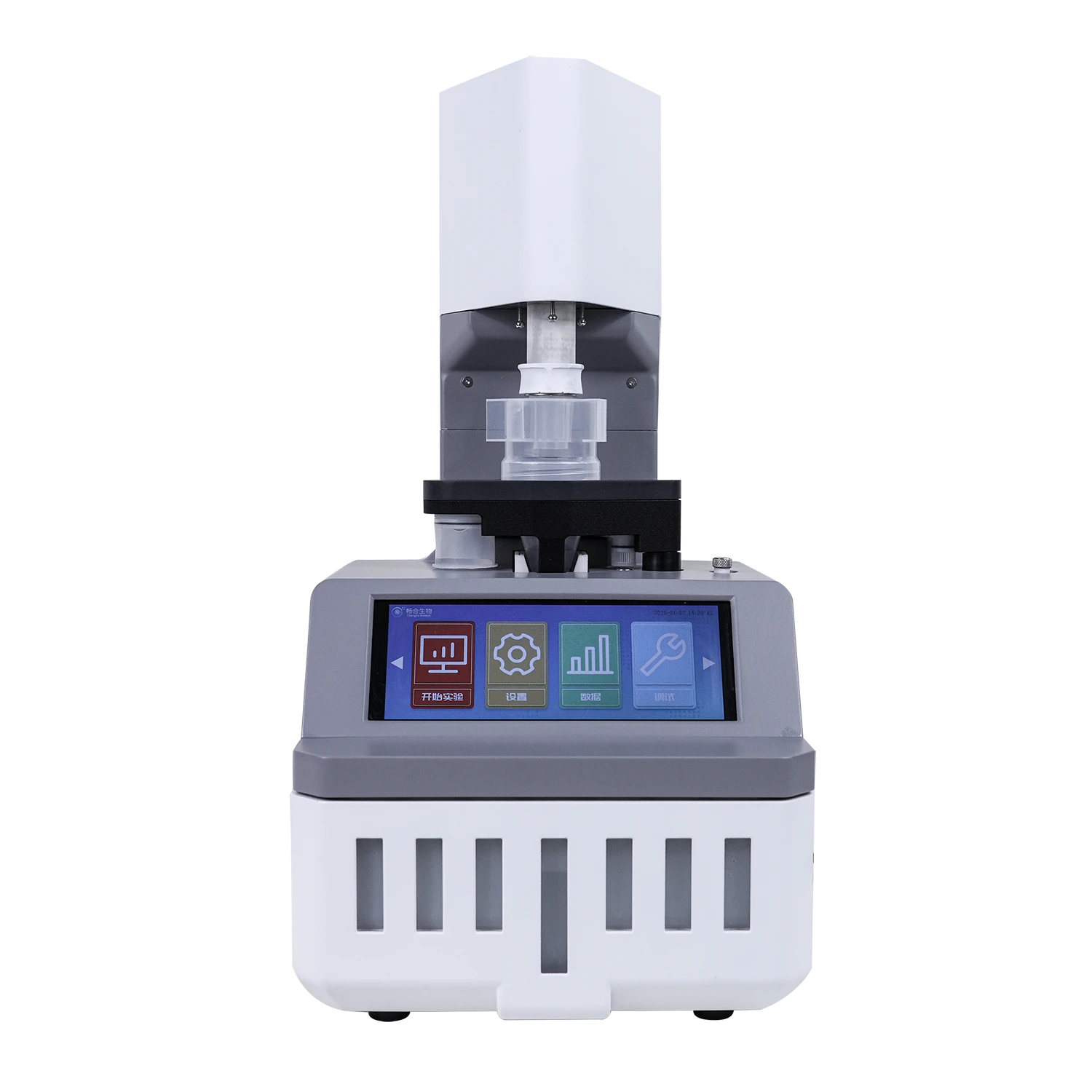

Bioaerosol Sampler Size Selection Tips
Choosing the right size for a bioaerosol sampler is critical to ensuring accurate, efficient bio sampling of airborne biological particles—from bacteria and viruses to fungal spores. As a wholesaler, guiding customers to match bioaerosol sampler size with their lab’s specific needs (e.g., sample volume, space constraints, application goals) directly impacts their research success. SUZHOU CHANGHE BIOTECH CO., LTD, a leading provider of biological sampler solutions, offers a range of sized models tailored to diverse lab workflows—each optimized for biological sampler the cycle (sampling, preservation, analysis) to maintain sample integrity. This guide breaks down key size-related considerations, helping partners recommend the ideal bioaerosol sampler for every use case.
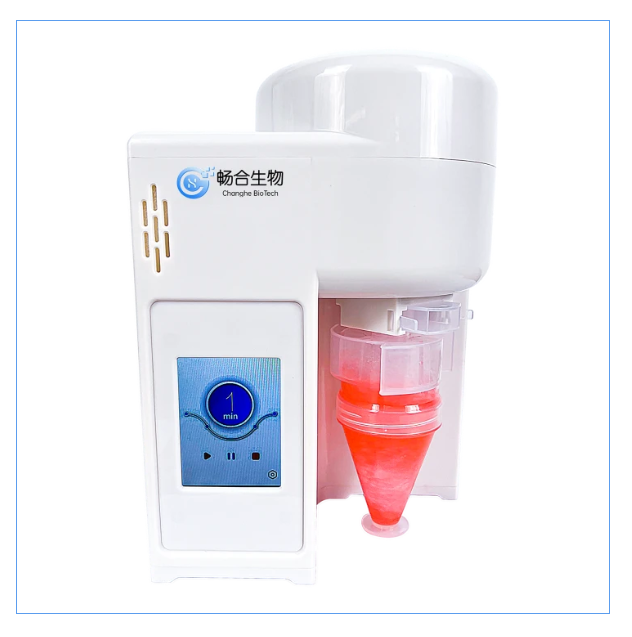
Bioaerosol Sampler Size Categories and Use Cases
Compact Bench-Top Samplers (Small-Size)
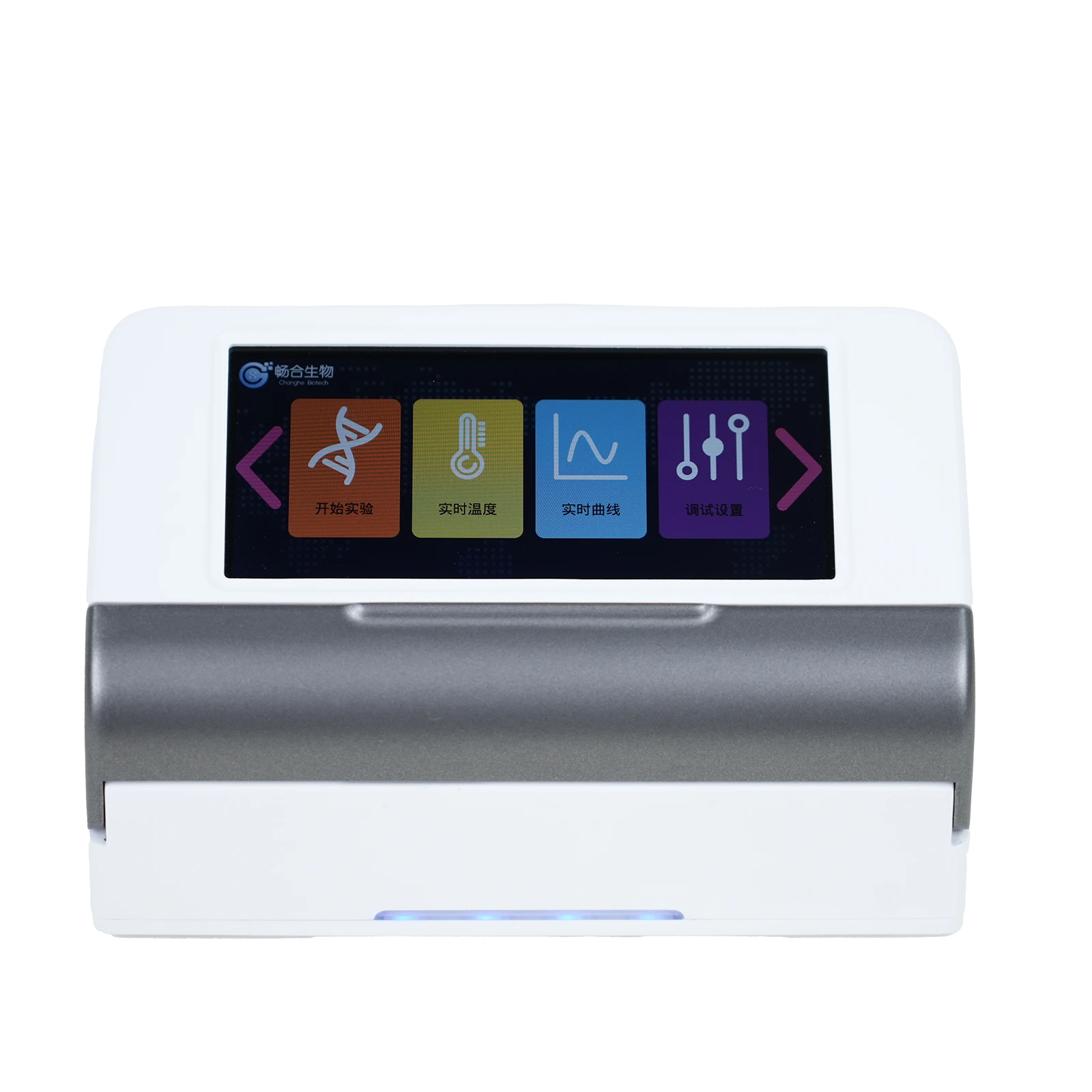
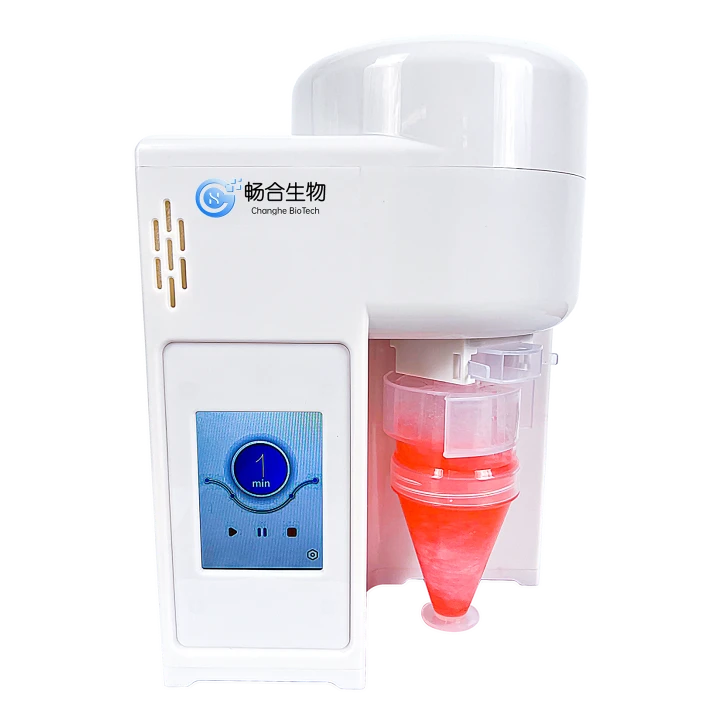
- Key Specifications: Small bioaerosol sampler models from SUZHOU CHANGHE BIOTECH CO., LTD typically measure 20–30 cm in width and weigh 2–5 kg, with flow rates of 1–5 L/min. They are designed for benchtop use in small labs or fieldwork where portability is critical.
- Ideal Applications: These samplers excel at low-volume bio sampling—such as monitoring air quality in clinical labs, food processing facilities, or confined spaces (e.g., cleanroom workstations). Their compact size allows easy placement near sample sources (e.g., culture hoods), and they integrate seamlessly into biological sampler the cycle by preserving small, targeted aerosol samples (e.g., viral particles) for PCR analysis.
- Advantages: SUZHOU CHANGHE BIOTECH CO., LTD’s small bioaerosol sampler options feature battery-powered operation for field use and low noise levels (≤50 dB), making them suitable for shared lab environments.
Mid-Size Floor-Mounted Samplers
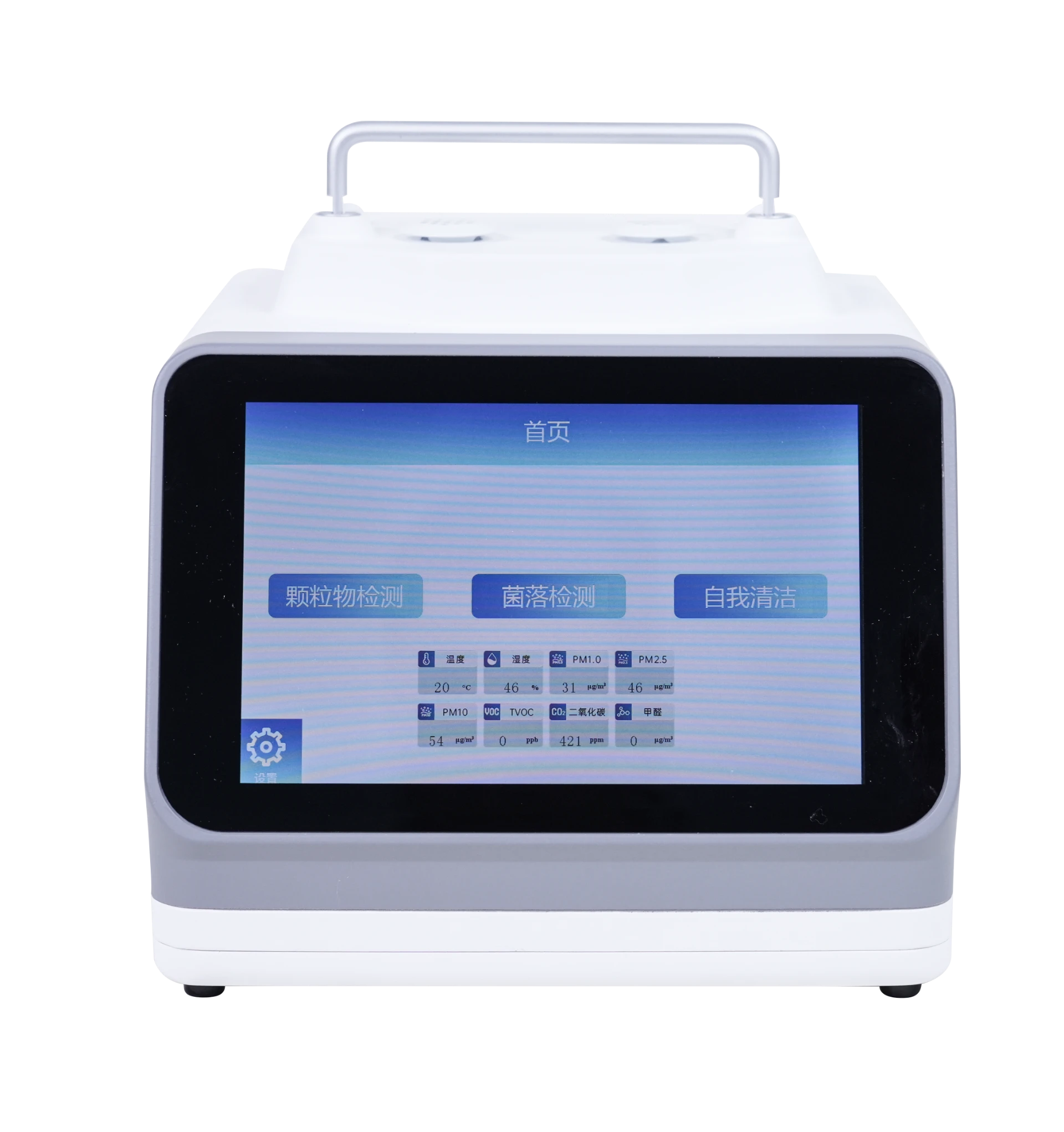
- Key Specifications: Mid-size bioaerosol sampler models range from 35–50 cm in width, weigh 8–12 kg, and offer flow rates of 5–15 L/min. They require floor space but balance portability with higher sample capacity.
- Ideal Applications: These samplers are perfect for medium-scale bio sampling—including environmental monitoring (e.g., office buildings, schools) or aerosol biology research on microbial communities. Their higher flow rates reduce sampling time (e.g., 30 minutes vs. 1 hour for small models) while maintaining sample viability, aligning with biological sampler the cycle efficiency goals.
- Advantages: SUZHOU CHANGHE BIOTECH CO., LTD’s mid-size samplers include digital flow controls to maintain consistency and detachable collection chambers for easy transfer to analysis stations—streamlining post-sampling steps.
Large High-Volume Samplers
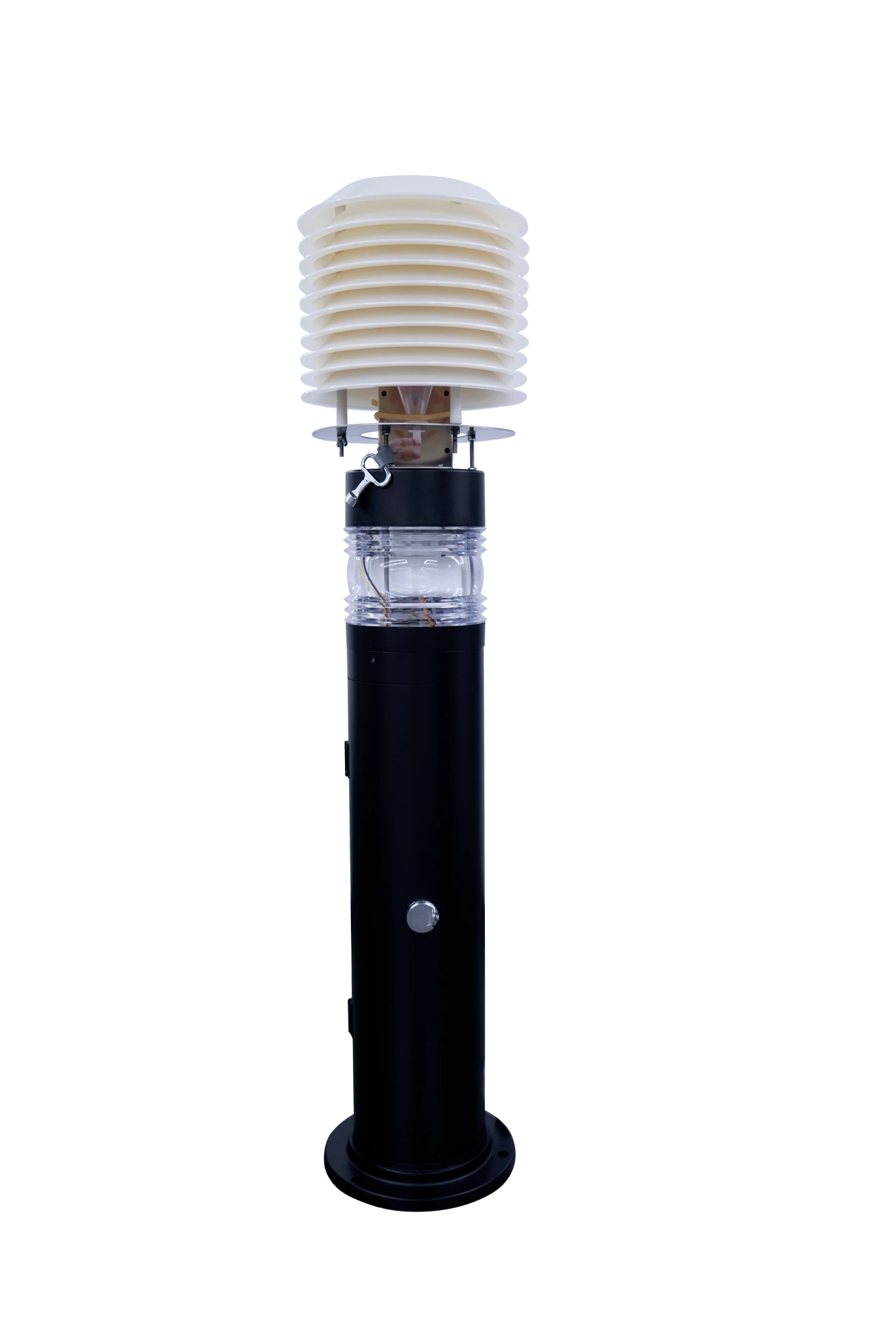
- Key Specifications: Large bioaerosol sampler models are 60–80 cm wide, weigh 15–25 kg, and deliver flow rates of 15–30 L/min. They are stationary, designed for high-throughput or long-duration bio sampling.
- Ideal Applications: These samplers suit large-scale projects—such as outdoor aerosol biology studies (e.g., atmospheric microbial diversity) or industrial settings (e.g., manufacturing plants). Their high volume capacity (up to 500 L per cycle) captures rare aerosol particles, and they integrate with SUZHOU CHANGHE BIOTECH CO., LTD’s automated biological sampler the cycle systems for 24/7 unattended operation.
- Advantages: Large models include HEPA pre-filters to protect internal components and data logging features to track bio sampling parameters (flow rate, time), ensuring compliance with research protocols.
Biological Sampler Size Selection Factors
Sampling Volume and Time Requirements
- Low-Volume Needs: If a lab requires small sample volumes (≤50 L) or short sampling times (≤30 minutes), a compact bioaerosol sampler from SUZHOU CHANGHE BIOTECH CO., LTD is sufficient. For example, clinical labs testing for airborne pathogens (e.g., influenza) often use small samplers to avoid overloading samples with non-target particles.
- High-Volume Needs: Labs studying low-concentration aerosols (e.g., outdoor air) need large biological sampler These capture more particles over longer periods (4–8 hours), ensuring enough material for downstream analysis—critical for biological sampler the cycle success.
Lab Space and Portability
- Space Constraints: Small or mid-size bioaerosol sampler options work best in labs with limited bench or floor space. SUZHOU CHANGHE BIOTECH CO., LTD’s compact models can be stored in cabinets when not in use, saving valuable space.
- Fieldwork Needs: For off-site bio sampling(e.g., environmental surveys), battery-powered compact samplers are essential. Their lightweight design (≤5 kg) allows easy transport, while mid-size models with rolling casters suit semi-portable needs (e.g., moving between hospital wings).
Compatibility with biological sampler the cycle
- Sample Preservation: Size impacts how a bioaerosol sampler integrates with biological sampler the cycle. SUZHOU CHANGHE BIOTECH CO., LTD’s small samplers use disposable collection vials that fit directly into centrifuges or PCR machines, reducing sample transfer steps. Large samplers feature bulk collection tanks compatible with automated extraction systems, ideal for high-throughput labs.
- Analysis Workflows: For culturing (which requires viable samples), mid-size samplers balance volume and viability—their moderate flow rates avoid damaging microbes. For molecular analysis (e.g., metagenomics), large samplers provide enough DNA/RNA for sequencing, aligning with biological sampler the cycle
Table: bioaerosol sampler Size Options from SUZHOU CHANGHE BIOTECH CO., LTD
|
Sampler Size |
Dimensions (W×D×H) |
Flow Rate |
Weight |
Key Use Case |
biological sampler the cycle Fit |
|
Compact |
25×18×22 cm |
1–5 L/min |
3 kg |
Clinical lab pathogen testing |
Disposable vials for quick PCR |
|
Mid-Size |
40×25×30 cm |
5–15 L/min |
10 kg |
Cleanroom monitoring |
Detachable chambers for culturing |
|
Large |
70×35×45 cm |
15–30 L/min |
20 kg |
Outdoor aerosol biology studies |
Bulk tanks for automated extraction |
Bioaerosol Sampler FAQS
Can a small bioaerosol sampler be used for large-scale bio sampling?
While a small bioaerosol sampler can technically perform large-scale bio sampling, it is not recommended. SUZHOU CHANGHE BIOTECH CO., LTD’s small models have low flow rates (1–5 L/min), requiring hours of operation to collect enough particles—this increases the risk of sample degradation and disrupts biological sampler the cycle efficiency. For large-scale needs, a mid-size or large bioaerosol sampler is better, as it reduces sampling time while maintaining sample quality.
How does bioaerosol sampler size affect biological sampler the cycle?
Bioaerosol sampler size directly impacts biological sampler the cycle steps: small samplers use small collection volumes (e.g., 10 mL vials) that speed up preservation and analysis (e.g., quick centrifugation), while large samplers require bulk processing (e.g., automated extraction) to handle high volumes. SUZHOU CHANGHE BIOTECH CO., LTD designs each size to align with specific biological sampler the cycle workflows—ensuring no bottlenecks in sampling, preservation, or analysis.
What size biological sampler is best for field bio sampling?
For field bio sampling, a compact biological sampler from SUZHOU CHANGHE BIOTECH CO., LTD is ideal. These models (2–5 kg, battery-powered) are easy to transport and operate in remote areas (e.g., forests, construction sites). Their small size also allows placement near sample sources (e.g., plant canopies), while their flow rates (1–5 L/min) capture enough particles for on-site or lab-based analysis—supporting efficient biological sampler the cycle even in non-lab settings.
Do large bioaerosol sampler models require special installation?
Large bioaerosol sampler models from SUZHOU CHANGHE BIOTECH CO., LTD do not require complex installation, but they need stable floor space and access to power (or external batteries for field use). They include leveling feet to ensure stability during long sampling cycles and are pre-calibrated, so they can be operational within 10 minutes of unboxing. Their design integrates smoothly into existing biological sampler the cycle setups, even for labs new to high-volume sampling.
Can I upgrade from a mid-size to a large bioaerosol sampler later?
Yes, SUZHOU CHANGHE BIOTECH CO., LTD supports seamless upgrades from mid-size to large bioaerosol sampler models. Many of their mid-size samplers share compatible collection chambers or software with large models, reducing transition costs. Upgrading to a large sampler is beneficial for labs scaling up bio sampling (e.g., expanding from cleanroom monitoring to outdoor research), as it maintains consistency in biological sampler the cycle while increasing capacity.
Selecting the right size bioaerosol sampler is a critical step in ensuring reliable bio sampling and efficient biological sampler the cycle workflows. SUZHOU CHANGHE BIOTECH CO., LTD’s range of compact, mid-size, and large models caters to every lab’s needs—from small clinical settings to large-scale environmental research. As a wholesaler, guiding customers to match sampler size with their volume requirements, space constraints, and analysis goals ensures they maximize the value of their biological sampler investment. By prioritizing size compatibility with biological sampler the cycle steps, labs can achieve consistent, accurate results and advance their work in aerosol biology, clinical research, and beyond.
-
Understanding pcr testes transgênicos for Agricultural PurityNewsApr.16,2026
-
Understanding Febre do Cão PCR for Precision Veterinary DiagnosticsNewsApr.09,2026
-
Understanding Respiração PCR and Grupo Cat for Advanced Bioaerosol Sampling TechniquesNewsApr.07,2026
-
IDEXX Feline Respiratory PCR Panel A Comprehensive Guide for VeterinariansNewsApr.04,2026
-
Understanding Grupo de Gatos URD PCR and Bioaerosol Sampling for Air Quality ControlNewsMar.28,2026
-
Understanding the Feline Respiratory PCR Panel Grupo de PCR Respiratório do GatoNewsMar.26,2026